Do you Smog?

The What, Why & How

ozone-pollution-smog

What Is It? Smog is a type of air pollution, originally used to describe the smoke and fog created by the burning of large amounts of coal within a city.  Modern smog refers to a type of air pollution caused by traffic emissions – such as from trucks, buses, and automobiles.  The smog in Los Angeles is an example of such air pollution.

Why Do Smog Tests?  The smog check makes sure vehicles meet the government’s requirements for environmental air quality and ensures cars with excessive emissions are repaired to reduce air pollution.  Smog tests are required in many states and counties – be sure to check your specific area’s requirements.

How It Works:  A smog test is performed by putting the vehicle on a platform where the front or back wheels drop down on a spinning tube.  This is so that your car can be accelerated without moving, while a sensor placed inside the exhaust pipe measures the exhaust emitted.  The sensor communicates this information to a computer, thereby displaying whether the vehicle passes the government’s standards.

Tips to Pass Your Smog Test:

  • Make sure your exhaust system has no holes or leaks.  You can fail the smog test if your car emissions are too low as well.
  • Replace any old hoses, air filters, and wires and check your oil.
  • A warm engine is more likely to pass the smog test than a cold one.  Take a 20 minute drive prior to your smog test.

Getting your vehicle smog tested can be a hassle and an added expense, but the benefits far outweigh the cost to keep our air and our planet clean.
Super Safety Tips for a Super Super Bowl Sunday

What’s your game plan?

super_bowl_2014

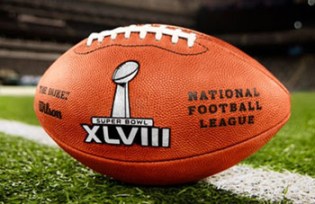
Super Bowl Sunday is right around the corner … do you have a game plan?  As Denver and Seattle go head to head, don’t forget to use yours!  Whether you are having friends over or you’re watching the game at a friend’s house or sports bar, there are safety precautions you can take to make sure everyone “arrives alive” when they go home.

If you are having friends over, here are simple tips to be a responsible host:

  • Before the game even starts, check that everyone has a designated sober driver to get home
  • Provide protein-rich foods like meats and cheeses or finger sandwiches; salty snacks tend to make people want to drink more
  • There should ALWAYS be non-alcoholic beverages available
  • Stop serving alcoholic beverages between the 3rd and 4th quarter (just like NFL stadiums!)

If you are spending game day at a friend’s place, a bar, or a restaurant, these tips should be part of your Game Day Game Plan:

  • Have a designated sober driver before you leave home (or be one yourself)
  • Be mindful of drinking on an empty stomach and eat foods high in protein
  • Pace yourself!  Take breaks and alternate with non-alcoholic drinks
  • Be a true friend by keeping an eye on your friends and make sure no one drives if they’re intoxicated

No matter who you’re cheering for, following these safety tips are a game day WIN!


FM Radio More Repetitive Than Ever

…Fearing Listeners Will Tune Out Unfamiliar Tunes

5203892541_e7a7aa08ea

Music services such as Pandora, Spotify, iTunes, and Sirius XM Radio have developed quite a following with listeners in the last several years.  One of the greatest draws for using such services is the ability to choose from a large variety of songs as well as having numerous opportunities available to “discover” new music.

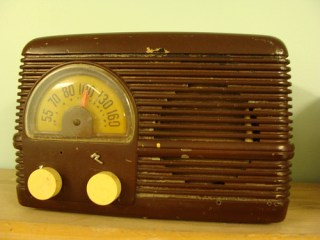
You would think to keep up with this novelty FM radio would try to emulate these advantages in their music offerings.  However, FM radio has gone in the exact opposite direction of its more digital counterparts.  Why?  A recent article published by The Wall Street Journal explains that traditional broadcasters have been able to increase listenership by narrowing the variety of songs that they play.  According to the article, this strategy comes from growing research suggesting what radio programmers have long suspected – “listeners tend to stay tuned when they hear a familiar song, and tune out when they hear music they don’t recognize.”

The Wall Street Journal cites statistics from Mediabase for “most played songs,” showing that last year’s (2013) top songs were played almost TWICE as much on the radio compared to a decade prior (2003).  Between emerging data and the increasingly long list of music options to choose from, FM radio stations are clinging onto this strategy tightly, even extending the amount of time artists must wait to introduce new songs.

FM Radio is still the most widely used American listening system, so even though its policies may be negatively affecting musical artists, it certainly is distinguishing itself from digital alternatives, securing a unique and specific (yet repetitive) spot in listeners’ ears.

Wacky State Laws

No time to read a long-winded BLOnG? Welcome to the Three-Second-Stop mini-Blog.

Today’s Three Seconds: Bizarre Traffic Laws from Around the Nation

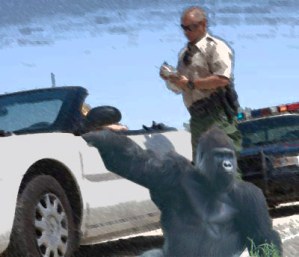
police-give-ticket-gorilla3 Second Stop Some of these seem pretty obvious, but others make you wonder what the heck happened to to have the law written in the first place!  According to researchmaniacs.com … As comfy as it may look, it is illegal in California for a woman to drive a car while wearing a housecoat.  Moving north, authorities in Alaska have found it necessary to designate a law specifying that under NO circumstance should a dog be tethered to the roof of a car.  And clearly another animal-loving state — Massachusetts — asks that you please refrain from operating your vehicle with a gorilla in the backseat.  It’s illegal in the entire state.  So as always, drive safe, and mind the law!

The OTHER Distracted Driving

Eat it … But Not While You’re Driving

distracted-driving_7

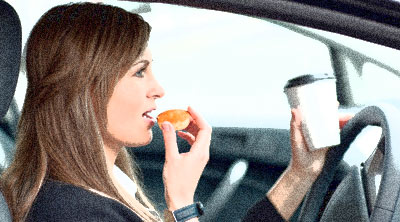
You’ve heard a thousand times the dangers of talking on your cell phone while driving, or the perils associated with texting and driving.  But we bet a lot of you are guilty of another dangerous distraction: EATING while driving.  And we’re sure you know not to “drink and drive,” but that’s true for ANY kind of beverage, not just alcohol. Soft drinks are on the top ten list of most dangerous things to consume while trying to drive.  Seriously!

The National Highway Traffic Safety Administration (NHTSA) revealed some pretty startling statistics for such a common activity among American drivers.  According to NHTSA’s study in 2009, eating while driving increases the odds of an accident by 80% and accounts for 65% of near miss accidents.  Yikes!

Some of the top offenders for increasing the risk of an accident include hamburgers, doughnuts with cream or jelly filling, fried chicken, tacos and — ranked number one — coffee.  The truth is, anything that is going to take your attention away from the road is considered distracted driving.  You’re already averting your eyes from the road in the food-to-mouth process, and then, just imagine …  You bite into that juicy burger and suddenly you’ve got mustard dripping down your crisp white shirt.  Or a big glop of jelly you weren’t able to stop oozing out of your savory treat in time.  Fried chicken is super greasy, and tacos pretty much disassemble themselves!  Coffee is an obvious one – hot liquid spillage is always a catastrophe, and the fact that coffee “to go” is often served in flimsy cups only makes matters worse, contributing to this beverage being labeled the most dangerous item to consume while driving.

In today’s busy world, we’re always looking for ways to save time and it’s easy to fall into the trap of grabbing a bite to eat on the run.  But please – if you must grab food on the run, pull into a parking lot or wait until you reach your destination to enjoy.

If You Must …

Inclement Winter Weather Driving

Dirt covered SUV on a muddy road

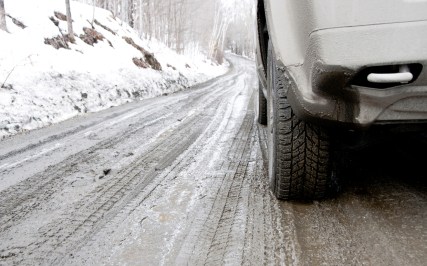
Increased risk for accidents is a given during inclement weather conditions.  That’s why the best advice when dealing with snow is to avoid driving altogether.  If you must drive in the snow, extra safety precautions are necessary.

If you live in an area that gets snowy weather, you should always carry chains in your vehicle and put them on your tires prior to driving in snow.  Also steer clear of the shoulder of the road.  Snow can build up the most here, and the shoulder is for emergency situations.

Heavy snow can make it difficult to see lane markings, so try to position your vehicle to stay in line with the tracks of other vehicles ahead of you.  Speed must be decreased and following distance should be doubled to at least eight to ten seconds.  Accelerate and brake very slowly.  Turn on your low beam headlights to make yourself more visible to other drivers.

If you are having difficulty with visibility, such as during a white out, pull into a safe parking area if possible.  Do NOT stop on the traveled portion of the road.

It’s true, blustery winter weather can be stressful.  To best cope, be prepared ahead of time, and stay alert, calm, and patient.

Pinching Pennies

FREE Ways to Make Your Vehicle More Fuel-Efficient

OverloadedCar

Our wallets are already tight, and especially so this time of year.  We know you want to save however you can, so read ahead for simple techniques to optimize your fuel – for free!

1) Use your cruise control!   Cruise control reduces fuel consumption by maintaining the same speed and controlling throttle.  On average, most vehicles get the best gas mileage between 50 – 55mph.  You can also practice coasting when you are not driving on the highway.  If a red light is up ahead, take your foot off of the gas pedal and let your car coast.  This way you will be using the gas you already burned to continue moving forward.  You’re going to have to stop anyways, so why waste more gas hurrying to a red light only to hit the brakes?

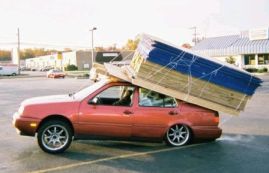
2) Lighten your load!  Take any extra weight off of your vehicle.  Don’t lug around heavy items every day in your car if you don’t have to.  You can even remove seats that aren’t being used to reduce your fuel consumption.  If you have to transport something heavy, use the trunk.  A roof rack that’s loaded down can really cut down on fuel economy, especially in smaller vehicles.

3) Get gas smart!  Always keep your gas tank above 1/3 fuel.  Being low on fuel can put stress on the fuel pump and the engine may not receive the steady supply of gas it needs to make your car most fuel efficient.  Another way to reduce weight in your vehicle is by not filling your gas tank all the way.  The best time to fill up is early in the morning and late in the evening.  This is typically when gas is most dense.

There you have it!  Three easy and FREE ways to save a little money by being conscious about your fuel consumption.  What do YOU do to maximize fuel-efficiency when you drive?

Holi-Dazed

Don’t Lose Your Cool This Winter

aggressive-driver-webThe holiday season is a stressful time of year for many, and the roadways may get more congested than ever.  Frustration and anger can make for some nasty driving behavior, so if you’re feeling like steam is about to blow out your ears, TrafficSchool.com has 5 pointers for maintaining your calm to avoid becoming an aggressive driver (and to avoid a ticket!)


1) Relaaaaaxxx – taking slow, deep breaths and concentrating on your breath can help calm down angry feelings.  Listening to a calming CD can also curb agitation. Or put your favorite music on to make your car time more enjoyable.

2) Drive the speed limit – fewer accidents occur when vehicles are traveling at or about the same speed.

3) Find alternate routes – You may find a route that is less congested, more enjoyable, or at least a nice change from your usual everyday trips.

4) Take advantage of public transportation when you can and avoid dealing with traffic altogether!

5) Just be late.  If you are not going to make it to your destination in time, just accept that you will be late.  Simple as that.  Better to arrive late safely than to put yourself and other drivers at risk.


‘Tis The Season!

How to Keep Your Holidays Merry and Bright
cocktails_berries-300x225

’Tis the season for holiday celebrations!  But hold on there…we want to remind you ’tis also the season to be extra cautious on roadways.  December is National Drunk and Drugged Driving Prevention month, and what better time to address dangers of driving intoxicated than now?  This month abounds with lots of food and lots to drink.  We know it’s easy to get caught up in all the cheer and merriment of the holiday season, and that’s why it’s a really good time to remember the consequences of driving impaired.  According to the National Highway Traffic Safety Administration (NHTSA), data shows that the holiday season is a particularly dangerous time on the roadways:

  • In 2011, 760 people lost their lives as a result of drunk-driving-related crashes during the month of December alone.
  • Nearly 30% of the 14,318 December crash fatalities from 2007 to 2011 involved drivers with blood alcohol concentrations of .08 grams per deciliter or higher.

It may be easy to tune statistics out, but take a moment to really visualize the risks of drunk and buzzed driving and how you’ll be affected.  A DUI conviction stays on your record indefinitely, affecting your home life, your work, and just about every other aspect of your life.  Being convicted of a DUI comes at great cost: monetary loss due to legal fees, lost wages, and potential civil lawsuits — not to mention a significant increase in your auto insurance rates.  If you believe putting yourself at risk isn’t that big of a deal, then at least think of the innocent people who could be injured or killed because of YOUR bad decision.  Living with the aftermath of such incidents is devastating.  How could you ever make it up to them?  No matter how you look at it, driving under the influence of even ONE drink is not worth the risks.

The best decision you can make is one you make before partaking in any consumption of alcohol.  If you are attending a party or event where alcohol will be present, decide beforehand to either abstain from drinking completely or to abstain from driving.  You must decide on your plan BEFORE you begin enjoying the festivities, especially if you tend to have trouble abstaining even when you know you need to drive.  Once alcohol hits your system, you’re a lot more likely to make poor decisions.

If you’re going to be with a group of people, select a designated driver.Print  There are several organizations that participate in a designated driver program, with many establishments offering incentives like complimentary non-alcoholic beverages for the DD.  Who doesn’t love FREE?
In case you can’t find a designated driver, or if your designated driver fails to maintain sobriety, have a taxi cab number on hand to call at the end of the night to pick you up and drop you off.  It’s a lot less expensive than a DUI.

Now … go drink and be merry!  Just remember – your drink doesn’t have to be alcoholic, and never should be if you plan to drive.

Winterize Your Vehicle

Are You Ready?

snowy road

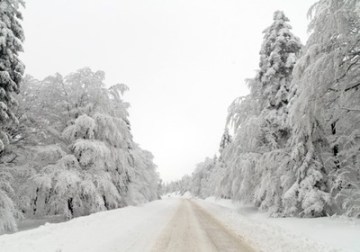
We want to make sure you’re well-prepared for changing weather conditions as winter rapidly approaches.  There are several simple things you can do to help make sure you and your vehicle stay safe!

The LAST thing you want is to get stranded out in a storm because your car battery died.  Extremely cold temperatures can reduce your car battery’s life up to 50 percent, so checking your battery is crucial! To test your battery, take it to a mechanic where professional equipment can detect if your battery is running low on life.

Getting an oil change with proper oil is another great way to help winterize your car.  For colder conditions, a thinner, less viscous oil is desirable because the oil tends to thicken the colder it gets outside.  If it’s too thick, it won’t be able to do a good job keeping your engine lubricated.  Check your owner’s manual to find out which oil is best for your vehicle.

During the unpredictable conditions of winter weather, visibility is a must.  First, make sure your wiper blades are up to par.  They generally are good for about one year, so if you’ve had them longer than that, now is the time to switch them out!  Another step to optimize your visibility during stormy weather is to have your windshield washer reservoir well-filled with windshield wiper fluid.  Don’t substitute it for water, because water can freeze.  Don’t forget to test your heater and defroster to see that they’re working properly.

Tires are a huge consideration when it comes to this time of year.  Check your tire pressure weekly.  Properly inflated tires will provide better traction and control in icy, wet and snowy conditions.  Make sure your spare tire also has proper pressure and that your jack is in good working condition.  Consider using snow tires, especially if you live in an area that receives a lot of snow.  They will perform much better than all-weather tires.  Poorly aligned wheels are also a risk-factor, so have your tires rotated regularly as recommended.

Last but not least, keep an emergency kit in your car.  Pack some essentials like a flashlight, flares and a first-aid kit in your trunk, along with extra gloves, boots, warm blankets, a small shovel and non-clumping kitty litter or sand for when you need added traction.  It’s not a bad idea to have extra batteries and a few energy bars or snacks on hand too.  Other items in your emergency kit could include extra antifreeze, windshield wiper fluid, paper towels, jumper cables, and tire chains.

By taking time to plan ahead, winterizing your car can be easy, and should be a priority to keep you and your family safe and your vehicle operating properly.