Traveling this holiday season? Give yourself extra time, stay calm in traffic, and remember to watch for pedestrians and other drivers. Take breaks when needed and keep your focus on the road. Safe driving is the best gift you can give yourself and others this season.
Rainy Day Reminder
No time to read a long-winded BLOnG? Welcome to the Three-Second-Stop mini-Blog.
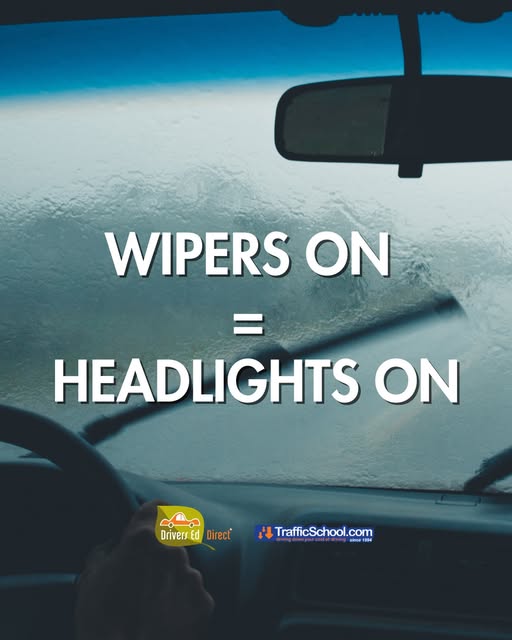
Today’s Three Seconds: Wet Weather Driving
In California, if your windshield wipers are on, your headlights must be on too. It’s the law — and it helps other drivers see you in wet, gloomy weather.
Small visibility habits like this keep everyone safer on the road.
Stay Safe During Roadside Emergencies
Watch Out for Roadside Assistance Scams
When your car breaks down, help should make things easier—not worse. Unfortunately, scammers sometimes target stranded drivers. Here’s how to stay protected:
- Call Trusted Sources Only: Use the number from your insurance, car manual, or official roadside assistance card.
- Confirm It’s the Service You Called: Scammers may show up pretending to be the company you contacted—always double-check before accepting help.
- Go Through Your Insurance When Possible: If your policy includes roadside assistance, reach out directly for verified help.
- Watch for Red Flags: Be cautious of anyone asking for upfront cash payments or offering unclear pricing.
Stay alert and don’t let scammers turn a stressful situation into something worse.
Slow Driving in the Fast Lane
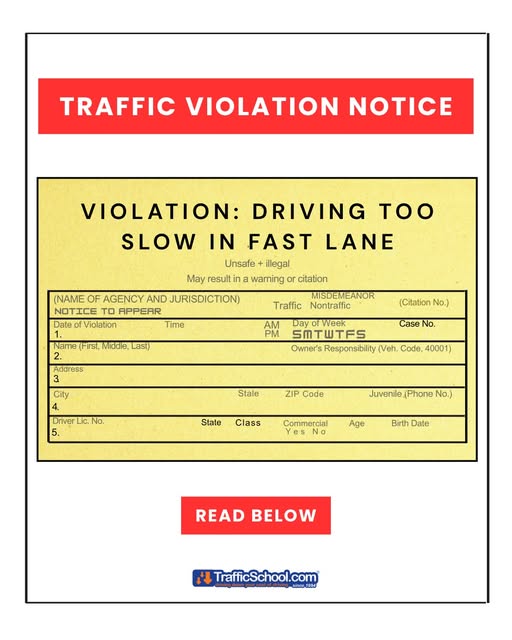
Driving too slowly in the left lane can be just as dangerous as speeding. It disrupts the flow of traffic and could get you pulled over—even if you’re near the speed limit.
You’re expected to go with the flow of traffic and keep right unless you’re passing. Left lanes are intended for passing; driving slower there can impact traffic safety.
⚠️ May result in a warning or citation.
🚗 Know someone who treats the fast lane like a cruise lane? Tag them or share this post!
Back to School Season Driving Safety
Back to School = Back Behind the Wheel for Many Teens
As classes start up again, many students are driving themselves to school – some for the very first time. If you’re a teen driver (or a parent of one), remember:
- Leave early to avoid rushing
- Minimize distractions – phones down, eyes up
- Follow all school zone rules and speed limits
- Always check for pedestrians before turning or pulling out
Driving to school is a big responsibility — let’s all do our part to keep mornings safe.
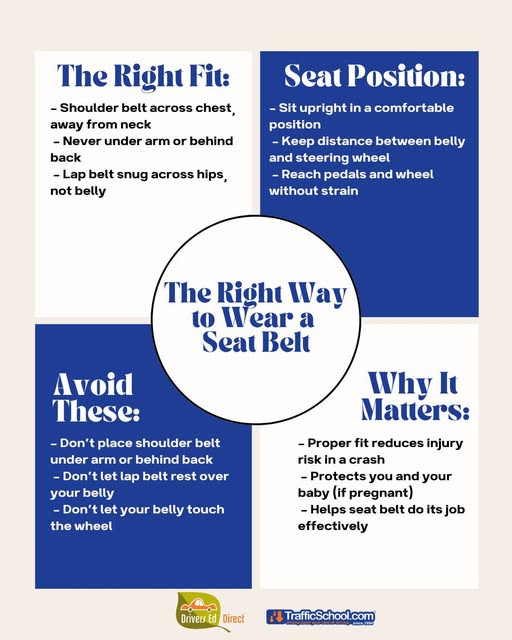
Buckle Up the Right Way
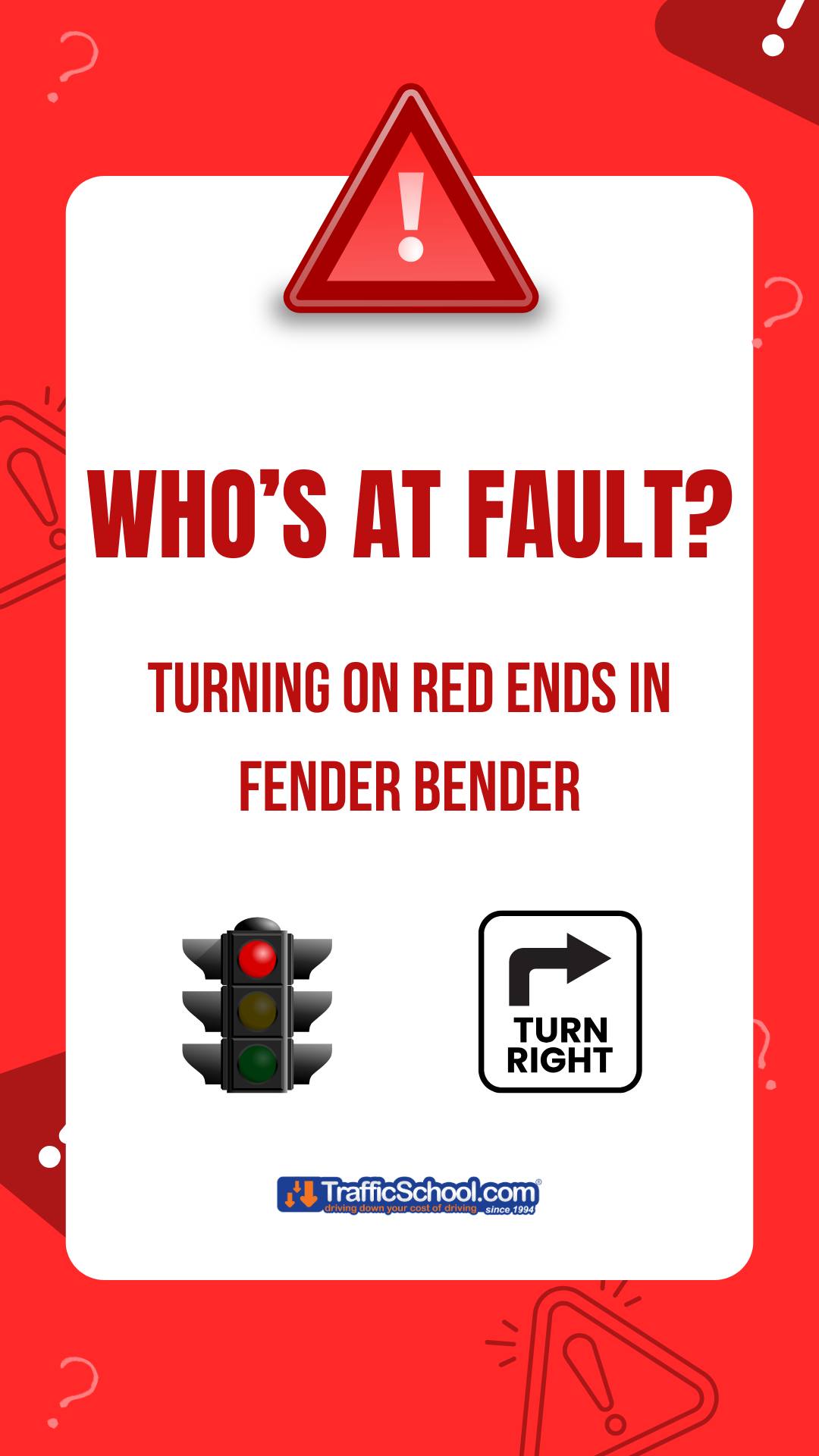
Red Light, Right Turn, Fender Bender!
You make a right turn on red and collide with an oncoming car—or someone in the crosswalk. What went wrong?
While turning right on red is often legal, it must be done only when it’s safe and clear. Failing to yield to oncoming traffic, pedestrians, or cyclists can lead to a citation and accident.
✔️ “Right on red” is a permission, not a guarantee
✔️ Check for cross-traffic and pedestrians
✔️ Drive responsibly to protect yourself and others
This post is for general awareness only and does not determine fault in any specific case.
🚗🙌Think someone you know could use this reminder? Share it with them.
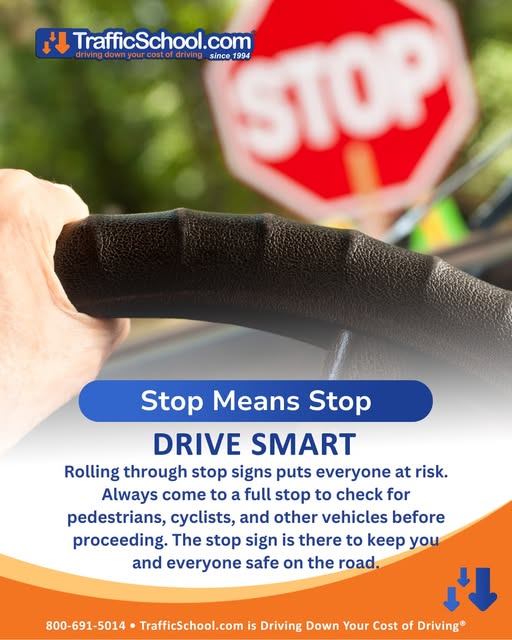
Drive Smart: Stop Means Stop
No time to read a long-winded BLOnG? Welcome to the Three-Second-Stop mini-Blog.
Today’s Three Seconds: Obeying Stop Signs
Rolling through stop signs isn’t just illegal – it’s dangerous.
- Full stops give you time to check for pedestrians, cyclists, and other vehicles
- It ensures you’re fully aware of your surroundings before proceeding
- It’s key to preventing accidents and keeping intersections safe
A complete stop is essential to making sure everyone stays safe. Share this tip and help keep the roads safer for all!
Deadly Driving Behaviors
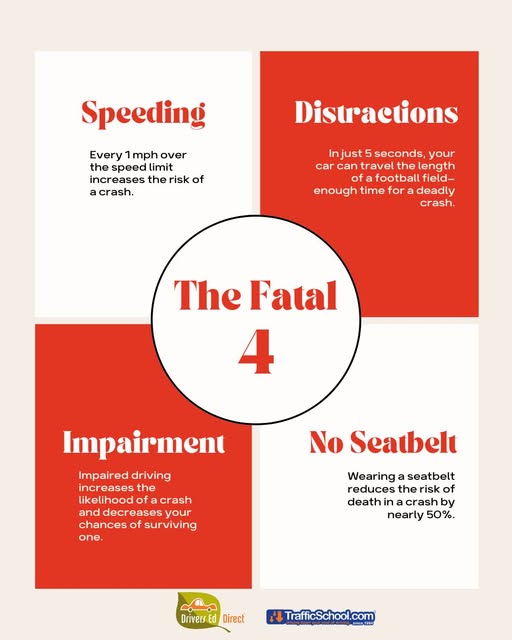
The Fatal Four
These four behaviors are responsible for the majority of fatal crashes each year:
- Speeding – Reduces reaction time and increases crash severity.
- Distracted Driving – A single glance away from the road can be deadly.
- Impaired Driving – Alcohol and drugs impair your ability to drive safely.
- No Seatbelt – Buckling up cuts your risk of dying in a crash nearly in half.
Every driver plays a role in making roads safer. Make the smart choice – every time you get behind the wheel.
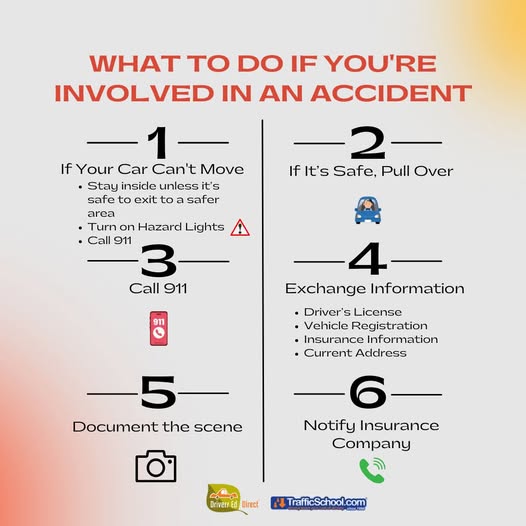
Accident Ready: 6 Steps for When the Unexpected Happens
Do You Know What to Do After an Accident?
Being prepared can make all the difference. Follow these 6 steps to handle any situation safely and confidently:
- If Your Car Can’t Move: Stay inside with your seatbelt on unless it’s safe to exit to a safer area. Turn on your hazard lights and call 911 for assistance.
- If It’s Safe, Pull Over: Find a safe spot, turn on your hazard lights, and take a deep breath.
- Call 911: Report the accident, even if it’s minor. Emergency services can help ensure everyone is safe.
- Exchange Information: Share your driver’s license, vehicle registration, insurance details, and current address with the other driver.
- Document the Scene: Take photos of the vehicles, license plates, and any damage. Note weather and road conditions.
- Notify Your Insurance Company: File a report promptly to start the claims process.
- Stay Alert and Drive Safely: Reflect on what happened and get back on the road with extra awareness.
Save this guide—you never know when you might need it!