Windy Weather Conditions

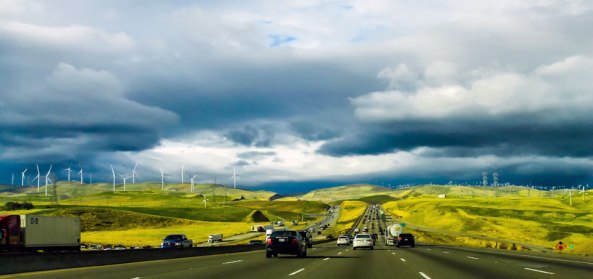
With Spring just around the corner it’s important to know what comes along with it. Spring is known for being the season of new beginnings, but did you know it is also the windiest season?

During the months of March and April wind speeds tend to be about 3 to 5 times stronger than other months. With strong winds come High Wind advisories. But what does that have to do with driving? Well, high wind is on the list of top car accident causes because high wind advisories are usually overlooked by drivers. When driving in high winds there are a few precautions you should be taking.

During high winds be sure to slow down, maintain a firm grip on the steering wheel, and keep a safe distance from larger vehicles such as busses, trucks, and RVs.  Larger vehicles are more affected by high winds and usually have difficulty staying in their own lane. And as always, make sure to be alert and aware of your surroundings.

Stay safe and have a wonderful Spring!

*This traffic safety topic is covered in our 8-hour California Traffic School course for traffic tickets. If you need traffic school to keep a moving violation hidden on your driving record, sign up today at https://www.trafficschool.com/california/california-traffic-school/?source=blog_02162022

Drowsy Driving is Dangerous Driving

The majority of drivers are guilty of it, driving drowsy. We’ve all had late nights and had to be up in the early morning. The CDC estimates that 1 in 25 drivers over the age of 18 have reported falling asleep while driving within the previous month.

Although we might not put much thought to it, driving drowsy is extremely dangerous. It can lead to the driver falling asleep behind the wheel and causing an accident. According to the NHTSA (National Highway Traffic Safety Administration) it is estimated that 83,000 crashes between the years 2005 and 2009 were caused by drowsy drivers.

In order to avoid driving drowsy make sure to plan ahead and get enough sleep the night before. However, life is unexpected and plans don’t always work out so if you end up having to go somewhere and are drowsy try opting for a car service, public transit, or ask a friend/family member for a ride. There are many affordable options that one can take in order to avoid driving while sleep deprived. Driving is a big responsibility, remember to be responsible and be a safe driver.

*This traffic safety topic is covered in our 8-hour California Traffic School course for traffic tickets. If you need traffic school to keep a moving violation hidden on your driving record, sign up today at https://www.trafficschool.com/california/california-traffic-school/?source=blog_01202022

Winter Driving

No time to read a long-winded BLOnG? Welcome to the Three-Second-Stop mini-Blog.

Today’s Three Seconds: Tire Pressure During Winter

3 Second Stop

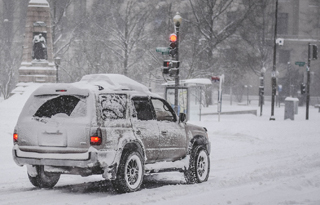
When the cold of winter comes, it’s important to check your tire pressure. While nobody wants to check their tire pressure outside in the cold, it’s important to do so since cold air reduces the air pressure in your tires. Low tire pressure can be extremely dangerous. When your tire pressure is low, it can lead to a blowout, increase braking time, and also reduce your tire life. When temperatures are colder than usual your tire pressure can drop about 1 – 2 pounds per square inch for every 10℉ in temperature change. So this winter make sure to take a few extra seconds to check your tires for your safety and the safety of others. Stay warm and stay safe!

Holiday Travel Dangers

When thinking of Thanksgiving, many things come to mind; such as food, family, blessings, maybe even a pleasant memory. But does “dangerous” come to mind? Probably not.

Did you know that the National Safety Council estimates that about 515 people may die on U.S. roads this Thanksgiving holiday? That is the most deaths estimated for the Thanksgiving holiday period since 2007. According to the American Automobile Association, it is estimated that more than 53.4 million people will travel this year for Thanksgiving, with the majority of those choosing to travel by car. Car travel has the highest fatality rate in the U.S. for unintentional injury deaths. Alcohol is also a factor adding to the holiday’s high fatality rate. During the Thanksgiving Day weekend (Wednesday evening through Sunday afternoon), about 29% of fatalities that occur are caused by the alcohol-impaired driver.

While this holiday may include car travel and possibly alcohol, making simple choices, such as wearing your seatbelt and having a designated driver can keep you much safer. So, while you’re gobbling up your meal this Thanksgiving, decide to drink responsibly, and as always make sure to wear your seatbelt. It could possibly save your life.

Party with a Plan

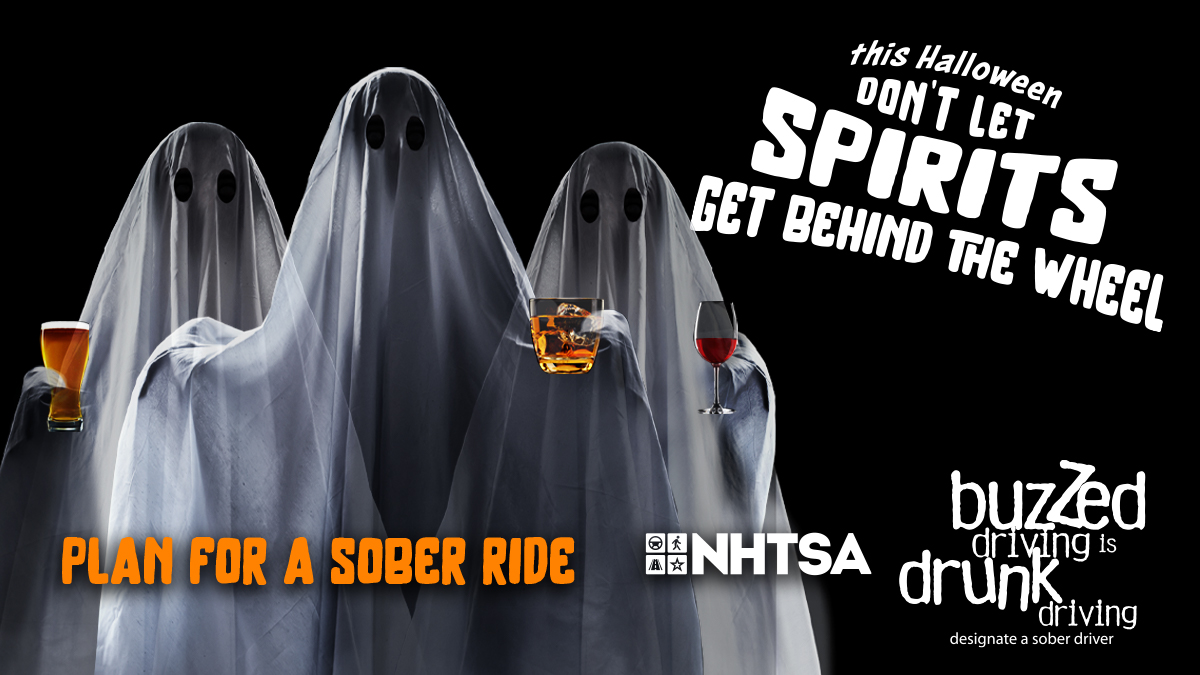
If your Halloween weekend includes celebrating with cocktails, be sure to make plans for a sober ride home in advance.  The U.S. Department of Transportation’s National Highway Traffic Safety Administration (NHTSA) reminds us that Buzzed Driving Is Drunk Driving. According to NHTSA, 41% of all people killed in motor vehicle crashes on Halloween night from 2015 to 2019 were in crashes involving a drunk driver.  Since Halloween lands on a Sunday this year, that will likely mean more parties throughout the weekend, with more opportunities to make responsible choices.  Enjoy your spooky parties, but have a designated driver, or use public transportation or a ride service to get home safely!

General Tips to Avoid Skids

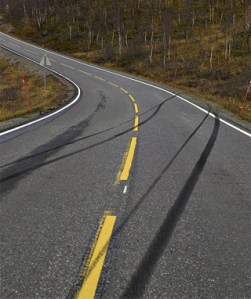
Loss of vehicle control can be scary. To help avoid skidding on slippery surfaces, reduce your speed and increase your following distance behind the vehicle ahead.

In addition, you can:

Beware of Icy or Wet Locations

Ice tends to collect in shady areas, under bridges and overpasses, and low points on the road. As a result, on cold days slow down even more when approaching shaded areas, bridges, overpasses, and dips.

Don’t Make Sudden Maneuvers

Sudden changes in acceleration, braking, or fast turns can spin your car out of control and into a skid, especially on an icy or wet road where traction is greatly reduced.

Keep to the Paved Portion of the Road

Don’t drive on the road edge or the shoulder; poorly maintained pavement, gravel or dirt surfaces could cause a loss of vehicle control.

Poor Vision

No time to read a long-winded BLOnG? Welcome to the Three-Second-Stop mini-Blog.

Today’s Three Seconds: Night Blindness

3 Second Stop

Compensate for poor night vision by slowing down.  This gives you time to identify a potential hazard in your headlights and react to avoid it by stopping in time.  Also, avoid looking directly into the headlights of an approaching vehicle. Instead, guide your car by looking at the road markers on the right-hand side of the road.

*This traffic safety topic is covered in our 8-hour California Traffic School course for traffic tickets.  If you need traffic school to keep a moving violation off your driving record, sign up today at https://www.trafficschool.com/california/california-traffic-school/?source=blog_07302021

Self-Regulation Techniques

More and more, today’s driving schools and defensive driving institutions teach self-regulation to drivers of all ages. Drivers who self-regulate make driving decisions based on experience to limit certain driving behaviors in order to keep themselves out of harm’s way on the road.   For instance, do you ever find yourself making multiple right turns to avoid having to make a tricky left turn at a hectic intersection? Then you, like many other safe drivers, are practicing self-regulating techniques.

Here are some other common self-regulation techniques you can try:

  • Limiting your night driving (this is the most widespread form of self-regulation)
  • Limiting your driving during bad weather
  • Choosing routes that avoid congestion, construction, and difficult traffic scenarios
  • Driving in the lane you are most comfortable with (i.e. driving in the slower lanes or not driving in the lane directly adjacent to parked cars)
  • Not making optional right turns at red traffic lights
  • Limiting the volume on your radio so you can better hear traffic and emergency vehicles
  • Parking towards the back of parking lots where it is less congested

*This traffic safety topic is covered in our 8-hour California Traffic School course for traffic tickets.  If you need traffic school to keep a moving violation off your driving record, sign up today at https://www.trafficschool.com/california/california-traffic-school/?source=blog_06302021

Memorial Day Weekend

flag-2246646_1920_modified3

Whatever your plans are for this Memorial Day weekend, be sure they include staying safe on the road.  Don’t take chances.  Follow this simple strategy to reduce your risk behind the wheel:

  • Don’t drive after drinking alcohol.
  • Don’t drive impaired by drugs.
  • Don’t drive distracted.
  • Always wear your seat belt.

Stay safe and enjoy your extended weekend!