
Quick Tips for Holiday Travels
AAA estimates there will be 48.7 million travelers this Thanksgiving holiday weekend starting today, November 23, 2016 through Sunday, November 27, 2016. For those of you traveling on highways and byways, here are a few helpful safety reminders.
Before you leave:
- Check your tires are properly inflated and that your tire tread is healthy (no bald spots).
- Be sure to pack an emergency kit: a flashlight, blankets, jumper cables, a first aid kit, drinking water, non-perishable snacks, and a cell phone.
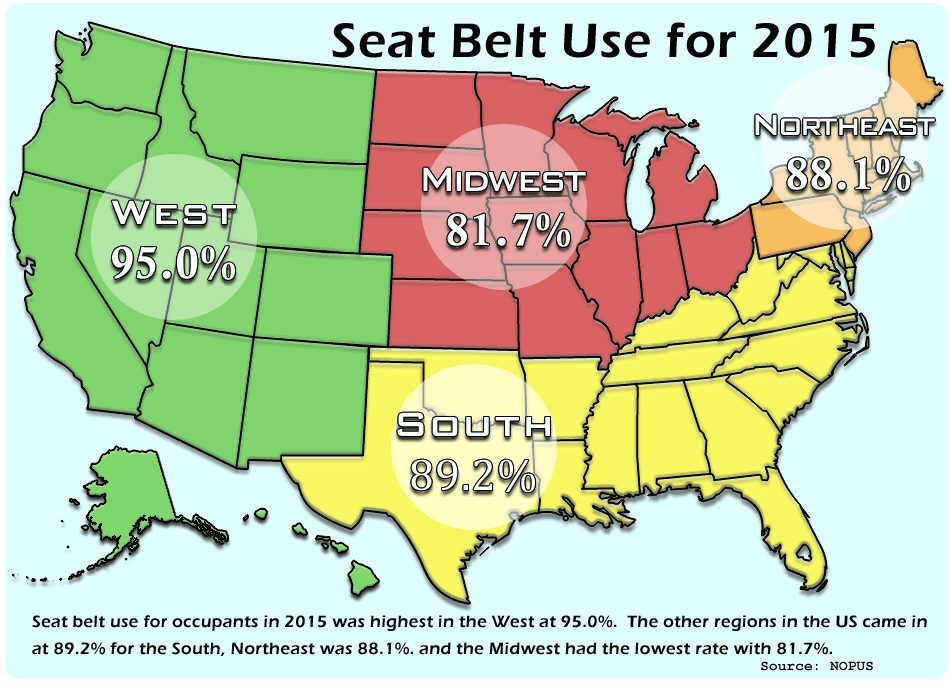
- Buckle up. Make sure you and all your passengers are properly secured in an approved and appropriate seat belt and/or child passenger restraint system.
On the road:
- Obey the posted limit signs. Speed limits are set for your safety. Also, you’ll save a little money with better gas mileage.
- Avoid unnecessary lane changes. Remember, frequently changing lanes to pass other vehicles increases your risk of having a collision. If you do pass, remember to pass on the left and look for the other vehicle’s headlights in your rearview mirror before you return to your lane. For large trucks you want to see the cab of the truck in your rearview mirror before going back into the lane.
- No drinking and driving. If you have been drinking alcohol, don’t drive. If you plan on drinking, set up a designated driver before you start.
Have a Happy and Safe Holiday Season!
 Did you know motor oil doesn’t wear out? It just gets dirty. Which means it can be recycled and reused in several ways. All over the U.S. there are used oil collection locations available. These organizations allow the average Joe to dispose of old motor oil, which in turn keeps that oil out of our ground water and waterways. Next time you change the oil in your car, or even your lawnmower, collect the dingy oil in a metal or plastic container to be recycled. These collection centers should also accept old oil filters and bottles. To find a collection center near you, visit
  School is starting all across the country. Now is a good time to teach, or remind, your little ones about school bus safety.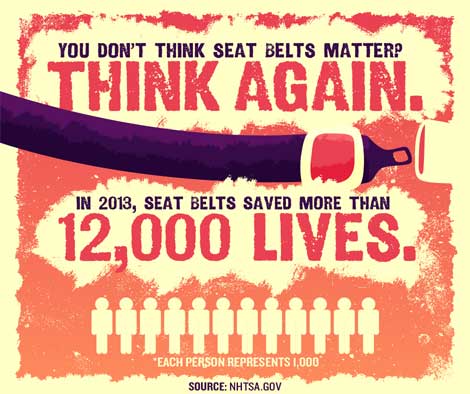
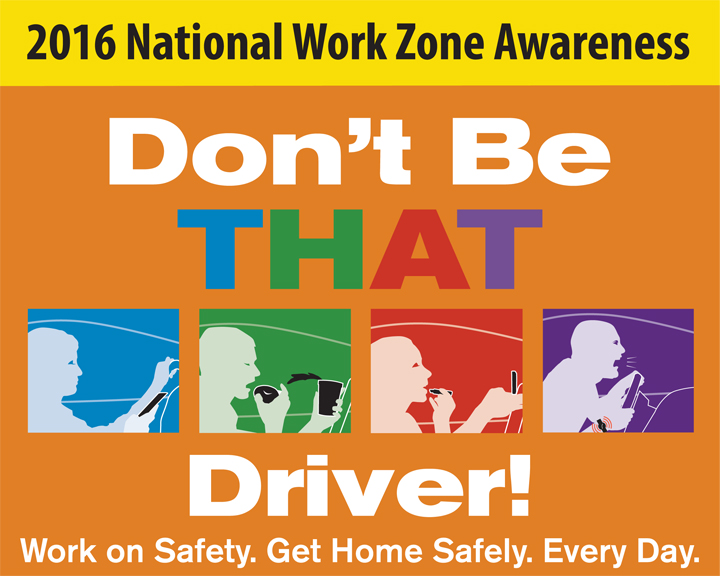
 Today marks the close of 2015 National Work Zone Awareness Week which advised drivers to “Expect the Unexpected”. Road worker safety is always good to have in the forefront of your mind, especially in the coming summer months as road construction will undoubtedly increase. The main thing to remember when you see orange (signs, cones, and vests) along the road is slow down and drive more cautiously. Keep your focus on navigating through the changing lanes, speeds and road conditions. The smallest distraction could be disastrous. Obey the posted construction signs and workers giving you instructions. And if safety for all is not a good enough motivator, remember almost all states have larger fines for speeding and other traffic infractions in a construction zone.
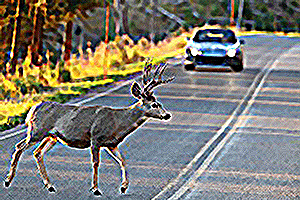 Animals on the road are always a possibility. Often, you see the animal too late and don’t have much room to maneuver. If you realize hitting an animal is going to happen, stay calm and avoid slamming on your brakes or swerving suddenly. This could lead to a serious traffic collision. If you strike an animal, attempt to find the owner. If the owner can’t be found, call the Humane Society or the local police department. Do not try to move or transport an injured animal, and never leave an injured animal to die.
 Right Side of the Road