No time to read a long-winded BLOnG? Welcome to the Three-Second-Stop mini-Blog.
Today’s Three Seconds: California AB 1785 Effective Jan. 1, 2017
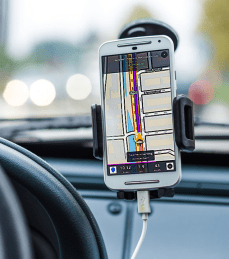
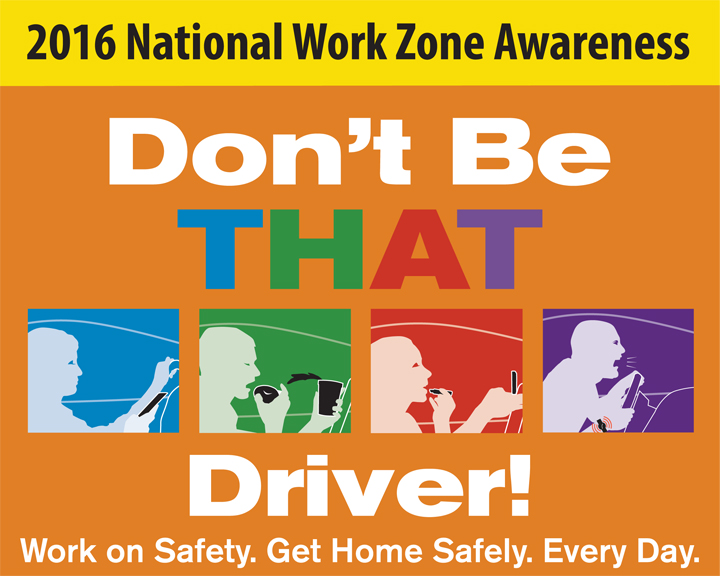
 Beginning today, the rules as to how drivers can use a smartphone and other handheld devices just got a whole lot stricter. Besides not being able to write or read texts by hand, it is now illegal to “hold and operate” a handheld wireless telephone or electronic communications device for any reason while driving. Bottom line: If a driver in CA still wants to use a phone while driving, they can’t be holding it in-hand. Now the device must be mounted or affixed to the vehicle’s windshield, dashboard or center console without obstructing the view of the road, and the driver may only use a single swipe or tap of the finger to operate a function or feature on the device.
Note: This new law does not apply to manufacturer-installed systems that are embedded in a vehicle.
Learn more at https://www.dmv.ca.gov/.
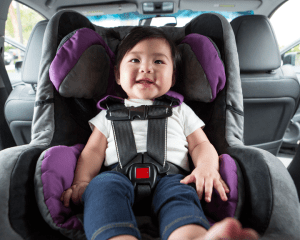 January 1st, 2017 ushers in new laws and regulations. In California one new law affecting motorist and parents will require child passengers under the age of two to be secured in rear-facing child safety seats.
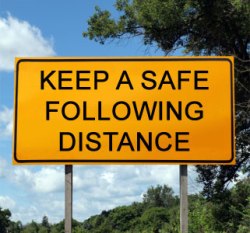 Allowing yourself proper following distance between your car and the car ahead of you can be difficult to visually estimate. A good way to gauge a suitable gap is to use the “Three-Second Rule.” Here’s how it works: when the car or truck in front of you crosses a certain fixed object on the side of the road (like a sign or tree), start counting, “one thousand one, one thousand two, one thousand three.” You should not cross that same point for three seconds. Under normal conditions it takes about 2-3 seconds to completely stop when traveling at speeds between 35 mph to 65 mph; so with a three-second space cushion, you should have enough time to react and brake when something happens up ahead.


 Right Side of the Road