Summer is officially here, and road trips are now beginning. Here is a wonderful and informative video to help make your road trip safe!
Summer is officially here, and road trips are now beginning. Here is a wonderful and informative video to help make your road trip safe!
No time to read a long-winded BLOnG? Welcome to the Three-Second-Stop mini-Blog.
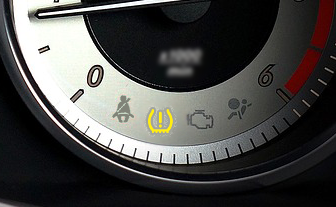
Have you ever started your car and immediately received a low tire pressure notification? If so, here’s what you should do. First and foremost, it’s crucial not to drive on significantly underinflated tires. Stay parked and inspect your tires for any signs of punctures or holes. It’s not uncommon for tires to be punctured by shards of glass, nails, or other debris while driving. If you don’t notice any punctures, the issue could be related to the weather. Cold temperatures can cause a decrease in tire pressure. Alternatively, it may be time to replace your tires if they are old and worn. However, in many cases, the most common and simple solution is to refill your tires. Make it a habit to regularly check your tire pressure, ideally every two to four weeks, as part of your routine maintenance.
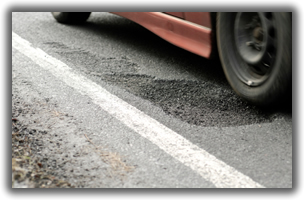
California has received an abundance of rain this year. While the rain does wonders for the environment, it does the opposite for our roads. You might notice more potholes in the roads once heavy rain is over. That’s because water goes into the pavement cracks that are formed by constant travel of vehicles. The water under the road can either freeze and expand, or in warmer temps, can make the soil soft and flexible. The changes in the soil under the road, combined with heavy traffic, cause the road surface to crack and break apart.
Potholes can be dangerous for drivers, as they can cause accidents and severe damage to your vehicle. If you happen to see one in the road ahead, switch lanes if it is safe to do so. If you can’t change lanes, then try to go around it within your lane to avoid hitting it, or safely decrease your speed and drive over the pothole cautiously.

Did you know that April is Distracted Driving Awareness Month? It was started as a way to raise awareness of how dangerous distracted driving can be, with the hopes of putting an end to preventable injuries and deaths on roadways. According to the NHTSA (National Highway Traffic Safety Administration), in 2020, distracted driving claimed the lives of 3,142 drivers in America. When behind the wheel always remember to keep both hands on the wheel, your focus on the road, and do not use your cellphone while operating your vehicle. This is especially important for the younger drivers. EndDD.org states that, “The fatal crash rate for teens is 3 times greater than for drivers age 20 and over.” Do your part in keeping the roads safe this year and help bring those statistics down!
*This traffic safety topic is covered in our 8-hour California Traffic School course for traffic tickets. If you need traffic school to keep a moving violation hidden on your driving record, sign up today at https://www.trafficschool.com/california/california-traffic-school/?source=blog_03312023
No time to read a long-winded BLOnG? Welcome to the Three-Second-Stop mini-Blog.
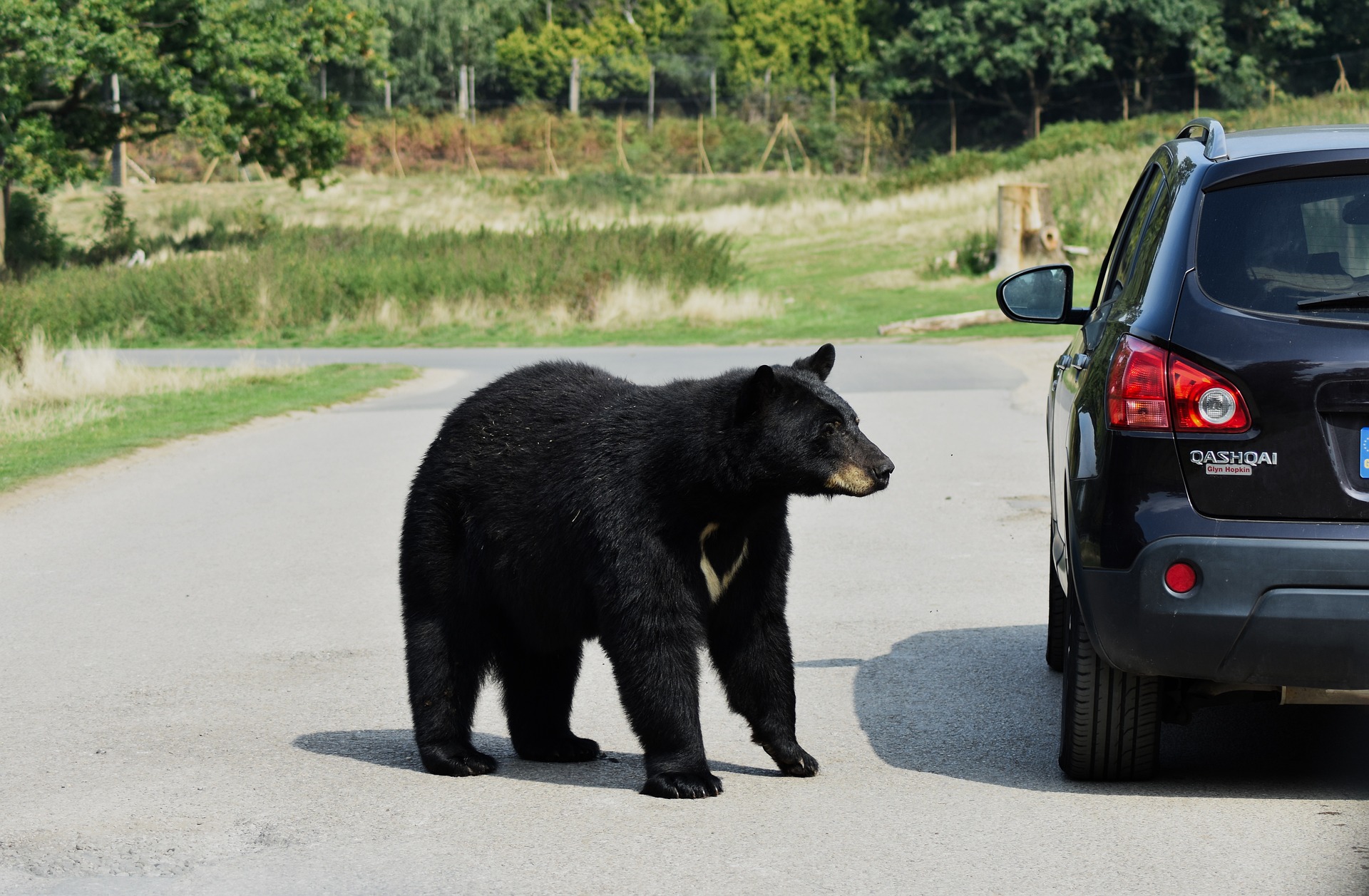

Soon the days will start to get sunnier and warmer from winter ending and hibernating animals will start to wake up. Animals waking up from hibernation will now be out on the roads foraging for food. As drivers, we are aware of the necessity to share the road with cyclist and motorcyclist, but what happens when an unexpected animal shows up on the road? We need to always be prepared for this possibility to avoid potential collisions that can lead to car damage and animal deaths. Make sure to always follow speed limits on highways and keep your speed low in residential areas where unpredictable pets and children could be playing outside. Driving at a responsible speed will help you stay in control of your vehicle. You will also have more time to react to your surroundings and avoid possible collisions.
Great video with some important reminders and tips for handling less than ideal driving situations, like fog, rain, and dust storms.

Driving in the rain can be difficult for almost every driver. In fact, the FHWA (Federal Highway Administration) states that “the vast majority of most weather-related crashes happen on wet pavement and during rainfall.”
Some things you can do to avoid a potential weather-related crash are:
If you still don’t feel safe about driving in the rain, then postpone your outing if possible.
No time to read a long-winded BLOnG? Welcome to the Three-Second-Stop mini-Blog.
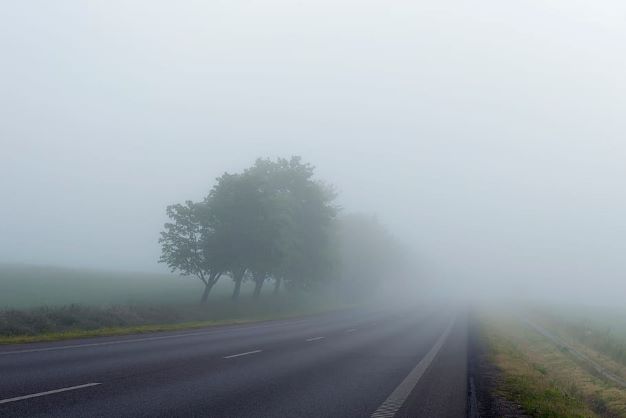
Now that summer is officially gone, the weather will start to slowly change. You’ll start to notice mornings are now cold and foggy. Driving in the fog can bring more challenges. Did you know that the number one danger of driving in the fog is low visibility? The U.S. Department of Transportation states, “Each year, over 38,700 vehicle crashes occur in fog. Over 600 people are killed and more than 16,300 people are injured in these crashes annually.” If you can, it’s best to stay at home and avoid driving in the fog. If you need to drive in foggy conditions, always use your low beam headlights and be sure to give yourself extra time to arrive to your destination safely.
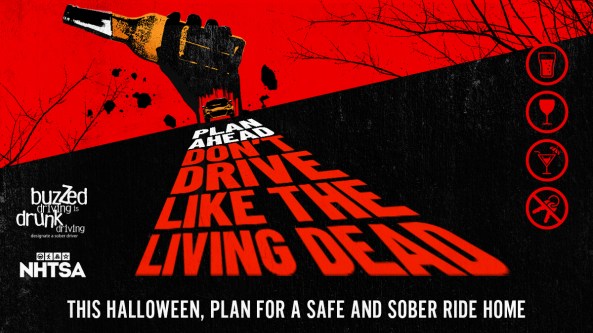
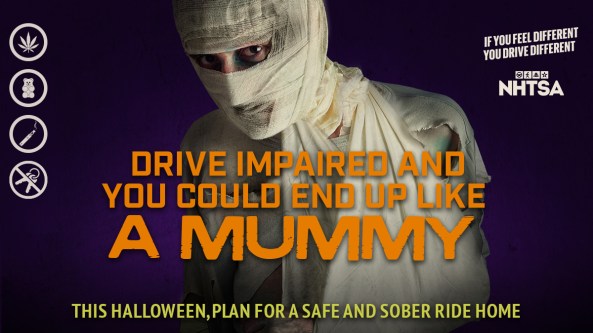
As you are gearing up for the spookiest holiday weekend, take a minute to setup a safe ride home. TrafficSchool.com and National Highway Traffic Safety Administration (NHTSA) encourage you to not drive impaired this Halloween!
You’re no mummy, vampire 🧛, or Frankenstein 🧟—once you’re gone, there’s no coming back from the dead. You have one life—don’t waste it by driving drunk. #BuzzedDriving is drunk driving.
A good time can quickly turn into a nightmare if you, or someone you know, get behind the wheel after using drugs. Don’t let your drive home become a cautionary tale. If you feel different, you drive different. #ImpairedDriving
Join instructor Micah from our partner company, Drivers Ed Direct, as he reviews great speed control tips for beginners. And they’re great reminders for veteran drivers, too!
 Right Side of the Road