
Pedestrian Safety
According to National Highway Traffic Safety Administration (NHTSA), in 2014 a pedestrian was killed every 2 hours and injured every 8 minutes on average in U.S. traffic crashes.
While the number of total traffic fatalities has decreased over the last 10 years, the percentage of pedestrian traffic fatalities has increased. In 2005, Fatality Analysis Reporting System (FARS) reported 43,510 total traffic fatalities, 11% (4,892) of which were pedestrian fatalities. In 2014, FARS reported 32,675 total traffic fatalities, 15% (4,884) of which were pedestrian deaths.
The rise in percentage of pedestrian deaths may be partly due to improvements to vehicle occupant protection and safety features. While safer vehicles improve a passenger’s survival rate in a crash, a pedestrian still has no defense if struck by a vehicle.
Another pedestrian safety concern: distracted walking. A Pew Research Center survey found that 53% of adult cellphone owners either had bumped into a person/object while using their phone or had been bumped into by another person distracted by their cellphone. Distracted walking on or near a roadway can spell disaster.
Important Safety Reminders for Pedestrians:
- Walk on a sidewalk or path when one is available.
- If no sidewalk or path is available, walk on the shoulder, facing traffic. Stay alert; don’t be distracted by electronic devices, including smart phones, MP3 players, and other devices that take your eyes (and ears) off the road.
- Be cautious night and day when sharing the road with vehicles. Never assume a driver sees you (he or she could be distracted, under the influence of alcohol and/or drugs, or just not see you). Make eye contact with drivers as they approach.
- Be predictable. Cross streets at crosswalks or intersections when possible. This is where drivers expect pedestrians.
- If a crosswalk or intersection is not available, locate a well-lit area, wait for a gap in traffic that allows you enough time to cross safely, and continue to watch for traffic as you cross.
- Be visible. Wear bright clothing during the day, and wear reflective materials or use a flash light at night.
- Avoid alcohol and drugs when walking; they impair your judgment and coordination.
Source: NHTSA’s Safety Countermeasures Division


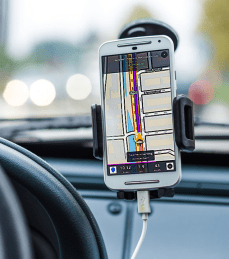
 January 1st, 2017 ushers in new laws and regulations. In California one new law affecting motorist and parents will require child passengers under the age of two to be secured in rear-facing child safety seats.

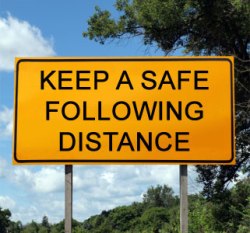 Allowing yourself proper following distance between your car and the car ahead of you can be difficult to visually estimate. A good way to gauge a suitable gap is to use the “Three-Second Rule.” Here’s how it works: when the car or truck in front of you crosses a certain fixed object on the side of the road (like a sign or tree), start counting, “one thousand one, one thousand two, one thousand three.” You should not cross that same point for three seconds. Under normal conditions it takes about 2-3 seconds to completely stop when traveling at speeds between 35 mph to 65 mph; so with a three-second space cushion, you should have enough time to react and brake when something happens up ahead.

 Right Side of the Road