Colored Curbs
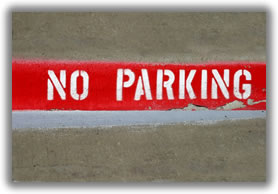
Recently I noticed a couple vehicles attempting to park next to a red painted curb, which in California is a big no-no. Curb markings are painted different colors to indicate what type of parking, if any, is permitted. California curb colors and their meanings are as follows:
- Red: Parking, stopping, or standing is PROHIBITED at all times, except a bus may stop in a red zone marked or posted as a bus loading zone.
- White: Reserved for very brief stops for the purpose of loading or unloading passengers or depositing mail in an adjacent mailbox.
- Blue: Parking is permitted for vehicles displaying disabled placards or license plates.
- Green: Reserved for vehicles to park for a limited amount of time. Look for time limits painted on the curb or on a sign posted next to the green zone.
- Yellow: Loading Zones usually reserved for commercial vehicles. Drivers may stop only long enough to unload passengers or freight. Drivers of non-commercial vehicles are usually required to stay with the vehicle.
Parking regulations and the use of colored curbs are set by local authorities. To find out designated curb colors near you, be sure to familiarize yourself with your local and state laws.
 Summer is drawing to a close. For many families the Labor Day weekend is a time for one last road trip before getting back into the school year groove. More people on the roads means greater potential for something to go wrong. While you enjoy your holiday please be vigilant behind the wheel and remember to:
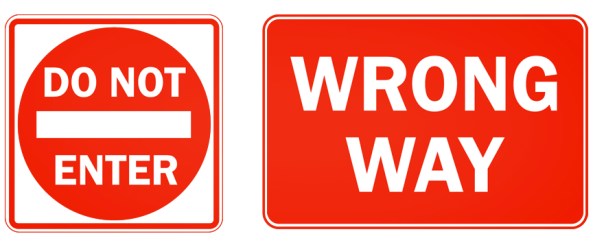 Having a driver who is driving right towards you at highway speeds is not only scary, but is also extremely dangerous. According to the Federal Highway Administration, in the US, wrong-way driving crashes result in 300 to 400 people killed each year on average, which represent about 1% of the total number of traffic related fatalities. Though the percentage is low, wrong-way crashes on divided highways are much more likely to result in fatal and serious injuries because they involve high speed, head-on collisions.
 Many drivers have a problem with changing lanes safely. The S.M.O.G. technique is meant to help remind you of the steps to take when planning a lane change. S.M.O.G. simply means: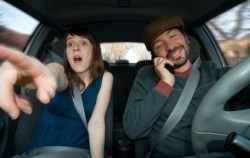
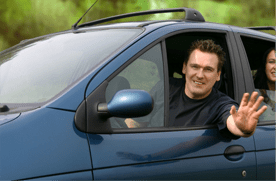 Communication with other drivers on the road is very important. Using standard equipment on your car, like turn signals, brake lights, hazard lights, headlights, and your horn, are all simple yet effective ways of telling everyone else what you intend to do next. Communication on the road can also be characterized by conveying your intentions to others through eye contact, body language, and hand signals, while simultaneously picking up on cues from other drivers and pedestrians.
 Your mental and emotional state can significantly affect your actions while driving. If you bring a bad attitude into the car with you, it will cloud your driving decisions. Stress and emotions can hijack your mind and you may find yourself unaware of your driving environment or over-reacting to another driver’s bad driving behavior.
 Right Side of the Road