Stay Safe Behind the Wheel

No time to read a long-winded BLOnG? Welcome to the Three-Second-Stop mini-Blog.

Today’s Three Seconds: The Power of Defensive Driving
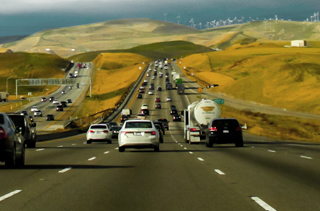
Hey there, road warriors! Let’s talk about something vital: defensive driving. It’s more than just getting from A to B–it’s about doing so safely.  Defensive driving is your secret weapon to navigate the roads with confidence. It’s all about being proactive–anticipating potential dangers and staying one step ahead. Keep your eyes scanning the road, follow those traffic laws like a boss, and maintain a safe distance from other vehicles. With defensive driving in your arsenal, you’ll be cruising towards your destination with peace of mind. Stay safe out there!
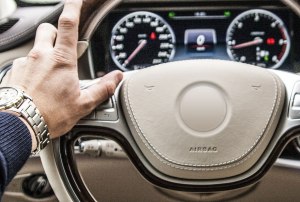
A Guide to Responsible and Considerate Honking


Alright, so here’s the scoop: if you’re driving in California, your wheels gotta come equipped with a working horn that can make noise audible from at least 200 feet away. But, and it’s a big but, that noise can’t be crazy loud or downright annoying.

Now, we all know how it goes when you’re stuck in traffic or dealing with less-than-stellar drivers. Honking becomes a bit of a reflex, right? Well, turns out, the California Vehicle Code (CVC 27001(a)) has a little nugget of wisdom – you should only hit that horn when it’s genuinely needed for safety. In simpler terms, angry honks because someone cut you off might just earn you a ticket.

Keeping tabs on how often you unleash your horn isn’t just about sticking to the rules; it’s about creating a laid-back and considerate vibe on the roads. Let’s aim for some peace and quiet out there!

Buckle Up for Safety: Your Lifesaver on the Road


Let’s talk about seatbelts – your trusty sidekicks on the road. Think of them as your personal bodyguards inside your car, ready to swoop in and shield you in those ‘uh-oh’ moments when you hit the brakes hard or, heaven forbid, collide with something. Remember, strapping in isn’t just about following the law; it’s a vital safety step that can save lives and reduce injuries in case you ever find yourself in a car collision. So, make it a habit to buckle up before you start your journey, and ensure everyone in the vehicle does the same.

Now, speaking of journeys, with the holidays just around the corner, we all know it’s the season for increased traffic and, unfortunately, more collisions too. Factors like alcohol consumption and fatigue can heighten the risk during this time. So, as you hit the road, be the responsible road warrior and keep that seatbelt snug – it’s your best defense out there!

Sirens and Lights: Ensuring Safe Passage

No time to read a long-winded BLOnG? Welcome to the Three-Second-Stop mini-Blog.

Today’s Three Seconds: Yielding for Emergency Vehicles

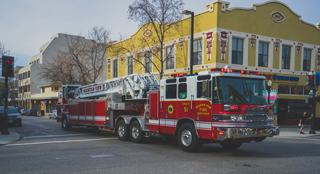
When the piercing sirens wail and the emergency lights paint the road in vibrant colors, it becomes paramount to swiftly react on the road, allowing these lifesaving vehicles to pass safely. Pulling over to the right side of the road and coming to a complete stop isn’t just a matter of obeying the law; it’s a moral responsibility that safeguards the well-being of everyone nearby. By yielding the right of way, you play a vital role in assisting these dedicated emergency responders in reaching their destination as quickly and safely as possible, particularly in critical, life-or-death situations. Always bear in mind that it’s more than just a rule; it’s a way to protect lives and ensure the safety of all road users.

Smoking and Driving: Unveiling the Risks


You might think that puffing on a cigarette while driving down the road is no big deal, but the truth is, it comes with some serious drawbacks. For starters, it’s a major distraction – your attention gets pulled away from the road, which always increases the chances of a collision. And that’s not all – besides reducing your reaction time, smoking can also hamper your visibility when the smoke obscures what’s happening around you.

But wait, there’s more. If you’ve got company in the car, like friends or family, they’re basically along for the secondhand smoke ride as they end up breathing in harmful carcinogens with you. And, if you’re in California, there’s a law you should know about that says you can’t light up in a car, whether it’s moving or parked, if there’s anyone under 18 present.

So, the next time you’re tempted to smoke behind the wheel, you might want to think twice – for your safety and everyone else’s too.

Look Before You Park

Colored Curbs


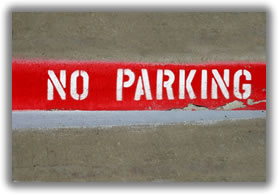
Recently I noticed a couple vehicles attempting to park next to a red painted curb, which in California is a big no-no. Curb markings are painted different colors to indicate what type of parking, if any, is permitted. California curb colors and their meanings are as follows:

  • Red: Parking, stopping, or standing is PROHIBITED at all times, except a bus may stop in a red zone marked or posted as a bus loading zone.
  • White: Reserved for very brief stops for the purpose of loading or unloading passengers or depositing mail in an adjacent mailbox.
  • Blue: Parking is permitted for vehicles displaying disabled placards or license plates.
  • Green: Reserved for vehicles to park for a limited amount of time. Look for time limits painted on the curb or on a sign posted next to the green zone.
  • Yellow: Loading Zones usually reserved for commercial vehicles. Drivers may stop only long enough to unload passengers or freight. Drivers of non-commercial vehicles are usually required to stay with the vehicle.

Parking regulations and the use of colored curbs are set by local authorities. To find out designated curb colors near you, be sure to familiarize yourself with your local and state laws.

New Law for 2019

No time to read a long-winded BLOnG? Welcome to the Three-Second-Stop mini-Blog.

Today’s Three Seconds: Passing Waste Service Vehicles

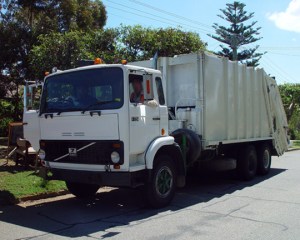
3 Second StopA new law went into effect January 1, 2019, aimed at providing sanitation workers with more room to safely do their jobs. California Vehicle Code 21761−Passing Waste Service Vehicles requires motorists, when approaching and overtaking a stopped waste service vehicle with its amber lights flashing, to move into an available lane adjacent to the waste service vehicle and pass at a safe distance. If it is not possible to make a lane change, drivers must slow to a safe and reasonable speed.

Marijuana on the Road

Cannabis Use in Vehicles

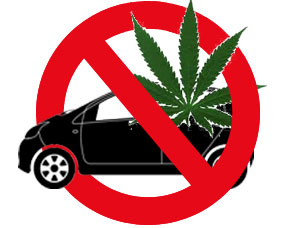
Effective January 1, 2018, the California vehicle code has been updated to make it illegal to smoke or ingest marijuana or any marijuana product when driving or riding as a passenger in a vehicle.  Drugged driving laws have been in place for many years, but this law specifically addresses the use of cannabis products while driving.

Marijuana and driving don’t mix.  According to Centers for Disease Control and Prevention (CDC), marijuana negatively affects a number of skills required for safe driving, such as slow reaction time and your ability to make decisions.  The California Office of Traffic Safety states that the effects of marijuana are strongest during the first hour of use and driving right after using marijuana could double your risk of being in a crash.  The National Institute on Drug Abuse also notes that after alcohol, marijuana is the drug most often found in the blood of drivers involved in crashes.

So please remember, driving under the influence of drugs, even legal drugs, is not only unsafe, but is also a crime.

New Phone Restrictions While Driving

No time to read a long-winded BLOnG? Welcome to the Three-Second-Stop mini-Blog.

Today’s Three Seconds: California AB 1785 Effective Jan. 1, 2017

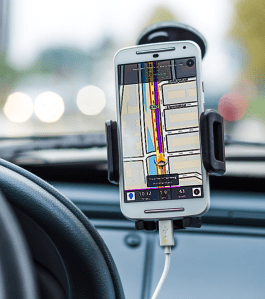
navigation-13 Second StopBeginning today, the rules as to how drivers can use a smartphone and other handheld devices just got a whole lot stricter. Besides not being able to write or read texts by hand, it is now illegal to “hold and operate” a handheld wireless telephone or electronic communications device for any reason while driving. Bottom line: If a driver in CA still wants to use a phone while driving, they can’t be holding it in-hand. Now the device must be mounted or affixed to the vehicle’s windshield, dashboard or center console without obstructing the view of the road, and the driver may only use a single swipe or tap of the finger to operate a function or feature on the device.

Note: This new law does not apply to manufacturer-installed systems that are embedded in a vehicle.

Learn more at https://www.dmv.ca.gov/.

Keep Them Safe

Child Passenger Restraints

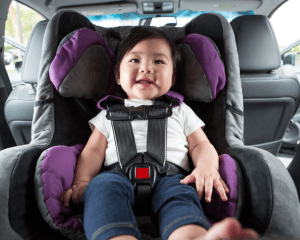
rear-facing-child-seatJanuary 1st, 2017 ushers in new laws and regulations. In California one new law affecting motorist and parents will require child passengers under the age of two to be secured in rear-facing child safety seats.

Transporting children in age- and size-appropriate car seats, booster seats, or seat belts is key to keeping kids safe on the road. According to National Highway Traffic Safety Administration (NHTSA), child safety seats lower the risk of fatal injury for infants (under 1 year old) by 71% and by 54% for toddlers (1 to 4 years old) in passenger cars.

NHTSA recommends using a Rear-Facing Car Seat for as long as possible: age 0 to 3 years or once your child outgrows the rear-facing car seat. Rear-facing seats are the safest way to transport a child as in a crash the impact force is more evenly distributed along the outer shell of the seat, keeping the child’s neck and spine in line.

Be sure to read the instruction manual for your child safety seat as well as your vehicle owner’s manual on car seat installation. Check height and weight limits of the car seat and never place a rear-facing car seat in the front seat or in front of an active airbag.