Cruising for Conservation

Easy Eco-Friendly Habits for a Greener Planet
Hey, you know how important it is to drive in a way that’s kinder to the environment, right? It’s not just about reducing our carbon footprint but also about doing our part for a healthier planet. So, here are some easy habits that can really make a difference.

First off, keeping a steady speed is a big one. None of that stop-and-go stuff that guzzles up fuel and spits out emissions. Try to cruise along smoothly, maybe even use cruise control on the highway. And hey, when you see traffic up ahead, ease off the gas a bit instead of slamming on the brakes last second. It’s all about anticipating traffic flow to minimize unnecessary speed changes.

Then there’s idling. We all do it sometimes, but it’s like burning fuel for no good reason. If you’re going to be stopped for more than a minute, just switch off the engine. And those drive-thru lines? Maybe park and walk in instead. It’s a small change but adds up.

Carpooling and ridesharing are awesome too. Fewer cars on the road means less pollution and fewer traffic jams. Plus, it saves us some cash.

And if you’re in the market for a new ride, consider something fuel-efficient or even a hybrid. They’re pretty sweet these days.

Oh, and don’t forget about regular tune-ups and keeping those tires in good shape. It’s not just about performance; it’s about using fuel more efficiently and cutting down on emissions.

So yeah, every little bit helps, right? And it’s not just about what we do ourselves but spreading the word too. Let’s get more people on board with these eco-friendly driving habits and pave the way for a greener future.
Warning Lights

No time to read a long-winded BLOnG? Welcome to the Three-Second-Stop mini-Blog.

Today’s Three Seconds: Low Tire Pressure

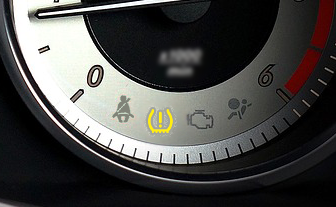
Have you ever started your car and immediately received a low tire pressure notification? If so, here’s what you should do. First and foremost, it’s crucial not to drive on significantly underinflated tires. Stay parked and inspect your tires for any signs of punctures or holes. It’s not uncommon for tires to be punctured by shards of glass, nails, or other debris while driving. If you don’t notice any punctures, the issue could be related to the weather. Cold temperatures can cause a decrease in tire pressure. Alternatively, it may be time to replace your tires if they are old and worn. However, in many cases, the most common and simple solution is to refill your tires. Make it a habit to regularly check your tire pressure, ideally every two to four weeks, as part of your routine maintenance.

Winter Driving

No time to read a long-winded BLOnG? Welcome to the Three-Second-Stop mini-Blog.

Today’s Three Seconds: Tire Pressure During Winter

3 Second Stop

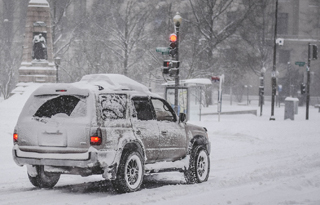
When the cold of winter comes, it’s important to check your tire pressure. While nobody wants to check their tire pressure outside in the cold, it’s important to do so since cold air reduces the air pressure in your tires. Low tire pressure can be extremely dangerous. When your tire pressure is low, it can lead to a blowout, increase braking time, and also reduce your tire life. When temperatures are colder than usual your tire pressure can drop about 1 – 2 pounds per square inch for every 10℉ in temperature change. So this winter make sure to take a few extra seconds to check your tires for your safety and the safety of others. Stay warm and stay safe!

Penny for Your Peace of Mind?

The Penny Test

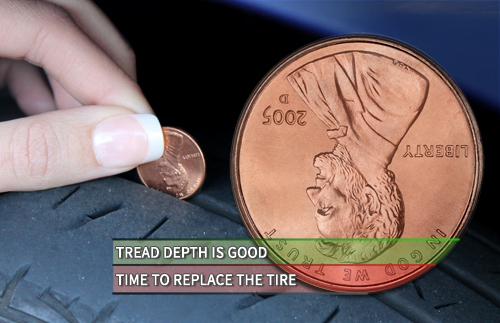
Tire tread is important. Worn tires can’t grip the road properly leading to slips and skids. Fortunately, there’s an easy way to check your tire tread depth and all you need is a penny!

Here’s what you do: Place a penny into a tread groove on your tires with Lincoln’s head pointed down. A newer penny where Lincoln’s head isn’t worn will work best. If part of his head is covered by the tire tread, you’re good to go. If you can see all of Lincoln’s head, then it’s time to replace the tire. Repeat the test in multiple grooves and on each tire to check for uneven wear.

So there you have it, a simple way to keep an eye on the health of your tires.

Renewed Life

Used Motor Oil Recycling

Did you know motor oil doesn’t wear out? It just gets dirty. Which means it can be recycled and reused in several ways. All over the U.S. there are used oil collection locations available. These organizations allow the average Joe to dispose of old motor oil, which in turn keeps that oil out of our ground water and waterways. Next time you change the oil in your car, or even your lawnmower, collect the dingy oil in a metal or plastic container to be recycled. These collection centers should also accept old oil filters and bottles. To find a collection center near you, visit http://search.earth911.com/american-petroleum-institute.php.

Another quick tip to keep oil out of our water is don’t try to hose down spilled oil. Rather use absorbent towels to wipe up the mess.

Save Gas… Check Your Tires

No time to read a long-winded BLOnG? Welcome to the Three-Second-Stop mini-Blog.

Today’s Three Seconds: Proper Tire Inflation

3 Second StopKeeping your tires properly inflated will save you money. The average vehicle will get three to four miles more per gallon when the tires are properly inflated. By checking the pressure of your tires regularly, about once a week, you’ll not only reduce the chances of a blowout, you’ll also save money at the gas pump. Proper tire maintenance is one easy way to reduce greenhouse gas emissions, cut your vehicle’s fuel consumption, and lower the risk of an accident, all at the same time. It’s simple, economical, environmentally friendly and smart.

Extend the Life of Your Car

Regular Maintenance is Key

car_banner
Keeping your vehicle well-maintained is important to preserve its longevity, and you don’t have to splurge on a new car every few year to do so either. By following these simple tips, you’ll keep you car running as if it was new.

Change Filters
It’s a given that you should get your car’s oil changed on a regular basis, but a lot of drivers often forget about the other fluids and filters, such as the air filter which helps the engine last longer.

Check Cooling Systems
Maintaining the proper coolant level is extremely important. A failed cooling system and/or hoses could result in a futile engine.

Pressure Check
Most people don’t pay much attention to their tires. But, the wrong pressure not only ruins your tires, which is bad for the vehicle all together, but it could also affect your fuel economy and present major safety issues.

Pay Attention To The Gauges
As discussed in a previous blog, most drivers ignore warning signs. They are your indicators when something is wrong with your oil pressure, cooling system or in newer vehicles, your tire pressure.

Get Regular Checkups
Find a repair shop and a good mechanic you trust! It’s important that your car gets regular checkups to maintain its overall makeup and to prevent future problems from occurring.