A Personal Reminder: The Importance of Road Safety for Bicyclists and Drivers

I wanted to share an important message about road safety, especially when it comes to bicyclists and bike lanes. This topic hits close to home for me. A few years ago, I was knocked off my bike when someone unexpectedly opened their car door right in front of me. It was a scary experience, and it reminded me how crucial it is for all of us to stay alert and respect each other on the road.

Let’s all commit to driving safely and respecting all road users. Here are a few key points to keep in mind:

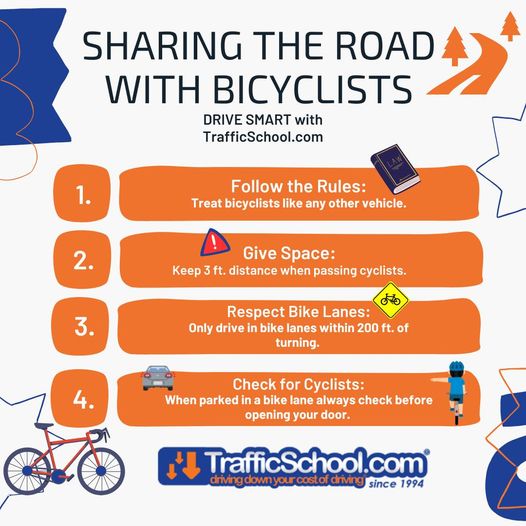
1. Follow the Rules: Bicyclists follow the same road rules as motorists. Treat them as you would any other vehicle.

2. Be Cautious and Give Space: Cover your brake pedal when near cyclists and give at least 3 ft. of space when passing.

3. Respect Bike Lanes: Only drive in bike lanes within 200 ft. of making a right turn or driveway entrance. Know the markings: Bike lanes are four or more feet from the curb and marked by a solid white line with the words “BIKE LANE”.

4. Check for Cyclists: Parking is permitted in bike lanes unless a ‘No Parking’ sign is posted. Before opening your door, check mirrors and over your shoulder for passing vehicles, cyclists, or pedestrians.

Your extra caution can prevent accidents and keep our roads safer for everyone. Stay safe out there!

N.O.T.S. – The High Score Nobody Wants

Hey there, California drivers! Have you heard about the Negligent Operator Treatment System, or N.O.T.S.? It’s a serious system designed to keep our roads safe by tracking your driving record. It’s not a game, but you’ll still want to know how not to lose. Let’s dive in!

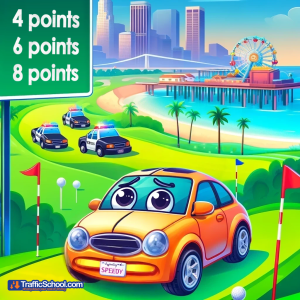
Think of N.O.T.S. like a game of golf—the fewer points you have, the better you’re doing. But unlike golf, where high points won’t cause you to lose your golf cart privileges, high points in real cars lead to losing-your-license trouble!

Every time you mess up on the road, you get points. Here are some examples:

One-point violations (stay on your record for 3 years):

  • 🚦 Unsafe lane change
  • 🛑 Failing to stop at a stop sign
  • 🚗 Simple speeding
  • 🚧 Causing a minor accident

Two-point violations (stick around for 7 years, 10 if it’s DUI):

  • 🚨 Hit and run
  • 🍻 DUI (Driving Under the Influence)
  • 🏎️ Speeding over 100 mph or engaging in a speed contest
  • 💣 Conviction of reckless driving

Not a Love Letter

When you’re on the verge of losing your license, you’ll get a computer-generated “Notice of Intent to Suspend” warning letter from the DMV. It’s a wake-up call from the state that you need to start driving like a pro. Back to the golfing analogy: One more point on your scorecard and you’ll be walking (or taking a bus) to the next hole.

The Magic Numbers You Want to Avoid

Here’s where the suspense kicks in. How many points until your license is suspended?

  • 4 points in 12 months
  • 6 points in 24 months
  • 8 points in 36 months

What’s the grand prize for getting one of these high scores? A six-month suspension and a year of probation for your driver’s license.

Why So Harsh?

Because the more points you have, the more likely you are to be a reckless driver. While being a little undisciplined on a golf course may land you in a sand trap, being irresponsible on the road can land you six feet under.

Final Words of Wisdom

Drive safe, stay alert, and keep those points off your record. Remember, the road is a shared space, and keeping it safe is everyone’s responsibility.

Quiz Time!

Think you’ve got this down? Let’s see!

Q1: How many points in 12 months will suspend your driving privilege?
A. 4 points
B. 6 points
C. 8 points

Q2: How many points is a simple speeding ticket worth?
A. 1 point
B. 2 points
C. No points if you complete traffic school

Drop your answers in the comments! 🚦🚗


Please share this blog with your friends and test their knowledge too. Anyone needing to get that speeding ticket point hidden from their driving record? Head over to TrafficSchool.com – we’ve got you covered! Stay safe out there!
Grandma’s Guide to Road Rage Resilience

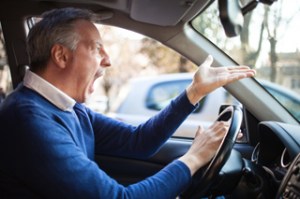
Navigating the tumultuous tangle of traffic can sometimes feel like venturing into a chaotic jungle. Amidst the angry honks and not-so-nice gestures, it’s important to keep a level head. While you can’t control the actions of others, you do have the ultimate superpower: the ability to keep your cool!

Picture this: a driver cuts you off without so much as a blinker. Instead of letting your blood boil, take a beat to breathe. Accepting that other drivers often make mistakes, sometimes unintentionally, can help break the cycle of road rage. By expecting the unexpected, you regain control of the steering wheel and your emotions.

So next time that ill-mannered motorist steals your right of way, pause your impulse to “get them back” – instead, do what my grandma taught me, “Channel your inner Zen and count to 10.” After a few deep breaths, your boiling blood will return to a gentle simmer, and life will be good again… and, most importantly, you’ll be home safely instead of sorry.

Stay Safe Behind the Wheel

No time to read a long-winded BLOnG? Welcome to the Three-Second-Stop mini-Blog.

Today’s Three Seconds: The Power of Defensive Driving

Hey there, road warriors! Let’s talk about something vital: defensive driving. It’s more than just getting from A to B–it’s about doing so safely.  Defensive driving is your secret weapon to navigate the roads with confidence. It’s all about being proactive–anticipating potential dangers and staying one step ahead. Keep your eyes scanning the road, follow those traffic laws like a boss, and maintain a safe distance from other vehicles. With defensive driving in your arsenal, you’ll be cruising towards your destination with peace of mind. Stay safe out there!

Cruising for Conservation

Easy Eco-Friendly Habits for a Greener Planet

Hey, you know how important it is to drive in a way that’s kinder to the environment, right? It’s not just about reducing our carbon footprint but also about doing our part for a healthier planet. So, here are some easy habits that can really make a difference.

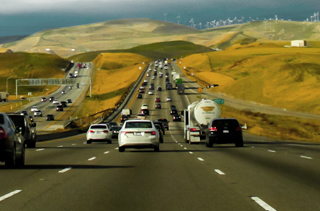
First off, keeping a steady speed is a big one. None of that stop-and-go stuff that guzzles up fuel and spits out emissions. Try to cruise along smoothly, maybe even use cruise control on the highway. And hey, when you see traffic up ahead, ease off the gas a bit instead of slamming on the brakes last second. It’s all about anticipating traffic flow to minimize unnecessary speed changes.

Then there’s idling. We all do it sometimes, but it’s like burning fuel for no good reason. If you’re going to be stopped for more than a minute, just switch off the engine. And those drive-thru lines? Maybe park and walk in instead. It’s a small change but adds up.

Carpooling and ridesharing are awesome too. Fewer cars on the road means less pollution and fewer traffic jams. Plus, it saves us some cash.

And if you’re in the market for a new ride, consider something fuel-efficient or even a hybrid. They’re pretty sweet these days.

Oh, and don’t forget about regular tune-ups and keeping those tires in good shape. It’s not just about performance; it’s about using fuel more efficiently and cutting down on emissions.

So yeah, every little bit helps, right? And it’s not just about what we do ourselves but spreading the word too. Let’s get more people on board with these eco-friendly driving habits and pave the way for a greener future.

A Guide to Responsible and Considerate Honking


Alright, so here’s the scoop: if you’re driving in California, your wheels gotta come equipped with a working horn that can make noise audible from at least 200 feet away. But, and it’s a big but, that noise can’t be crazy loud or downright annoying.

Now, we all know how it goes when you’re stuck in traffic or dealing with less-than-stellar drivers. Honking becomes a bit of a reflex, right? Well, turns out, the California Vehicle Code (CVC 27001(a)) has a little nugget of wisdom – you should only hit that horn when it’s genuinely needed for safety. In simpler terms, angry honks because someone cut you off might just earn you a ticket.

Keeping tabs on how often you unleash your horn isn’t just about sticking to the rules; it’s about creating a laid-back and considerate vibe on the roads. Let’s aim for some peace and quiet out there!

Buckle Up for Safety: Your Lifesaver on the Road


Let’s talk about seatbelts – your trusty sidekicks on the road. Think of them as your personal bodyguards inside your car, ready to swoop in and shield you in those ‘uh-oh’ moments when you hit the brakes hard or, heaven forbid, collide with something. Remember, strapping in isn’t just about following the law; it’s a vital safety step that can save lives and reduce injuries in case you ever find yourself in a car collision. So, make it a habit to buckle up before you start your journey, and ensure everyone in the vehicle does the same.

Now, speaking of journeys, with the holidays just around the corner, we all know it’s the season for increased traffic and, unfortunately, more collisions too. Factors like alcohol consumption and fatigue can heighten the risk during this time. So, as you hit the road, be the responsible road warrior and keep that seatbelt snug – it’s your best defense out there!

Sirens and Lights: Ensuring Safe Passage

No time to read a long-winded BLOnG? Welcome to the Three-Second-Stop mini-Blog.

Today’s Three Seconds: Yielding for Emergency Vehicles

When the piercing sirens wail and the emergency lights paint the road in vibrant colors, it becomes paramount to swiftly react on the road, allowing these lifesaving vehicles to pass safely. Pulling over to the right side of the road and coming to a complete stop isn’t just a matter of obeying the law; it’s a moral responsibility that safeguards the well-being of everyone nearby. By yielding the right of way, you play a vital role in assisting these dedicated emergency responders in reaching their destination as quickly and safely as possible, particularly in critical, life-or-death situations. Always bear in mind that it’s more than just a rule; it’s a way to protect lives and ensure the safety of all road users.

Smoking and Driving: Unveiling the Risks


You might think that puffing on a cigarette while driving down the road is no big deal, but the truth is, it comes with some serious drawbacks. For starters, it’s a major distraction – your attention gets pulled away from the road, which always increases the chances of a collision. And that’s not all – besides reducing your reaction time, smoking can also hamper your visibility when the smoke obscures what’s happening around you.

But wait, there’s more. If you’ve got company in the car, like friends or family, they’re basically along for the secondhand smoke ride as they end up breathing in harmful carcinogens with you. And, if you’re in California, there’s a law you should know about that says you can’t light up in a car, whether it’s moving or parked, if there’s anyone under 18 present.

So, the next time you’re tempted to smoke behind the wheel, you might want to think twice – for your safety and everyone else’s too.