Seat Belts in America

How Do You Rate?

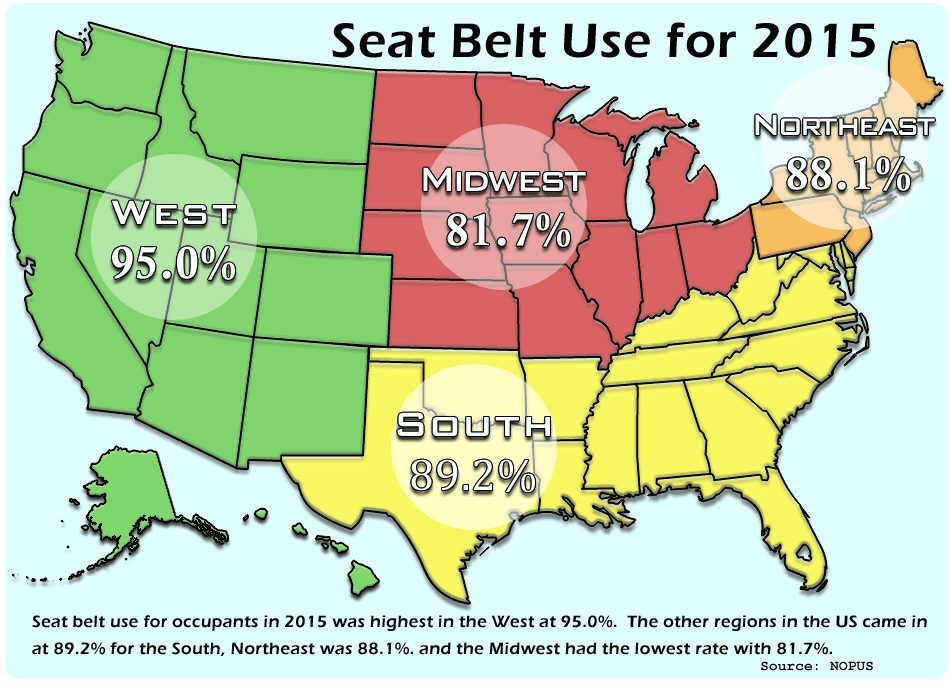
Seat belt use in the United States has been steadily rising since 2000. There has also been a consistent decrease in unrestrained passenger vehicle occupant fatalities in the daytime.

The overall National average seat-belt use in 2015 was 88.5%. The Western States have the highest average with 95.0% and the Midwest has a ways to go coming in at 81.7%.

As you can image, States that have Primary Seat Belt laws (an officer can ticket you for the sole reason you are not wearing a seat-belt) have a higher rate of seat belt use as compared to States that have secondary enforcement laws (requires an officer to pull you over for another reason before you can receive a citation for not using your seat belt.)

Source: National Highway Traffic Safety Administration Report No. DOT HS 812 243
Signals Crossed

Traffic Control Signals

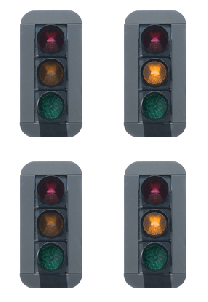
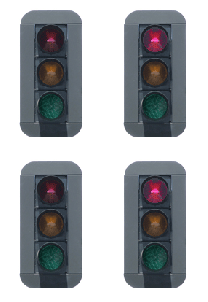
Traffic lights help drivers navigate roadways in an orderly fashion. However, sometimes lights depart from the standard procedure and might leave you wondering what to do.

stop
If you see a Flashing Red signal light, treat it like a STOP sign. Stop completely and proceed when it is safe to do so. Don’t forget to follow the right-of-way rules.


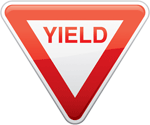
yield
 

If you see a Flashing Yellow signal light, treat it like a YIELD sign. Slow down and be prepared to stop for cross traffic.

Lights Out

No time to read a long-winded BLOnG? Welcome to the Three-Second-Stop mini-Blog.

Today’s Three Seconds: Traffic Signal Blackout

3 Second StopIf a power outage occurs and all the traffic signals are not working properly, proceed with caution and handle the intersection as you would an intersection with All-Way STOP signs. Remember your right of way protocol. If you and another vehicle on a cross street arrive at the intersection at the same time, then the vehicle on the left must let the vehicle to the immediate right go first.

What’s the Speed Limit?

Basic Speed Law

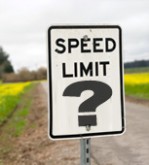
Driving is fast paced. There is a lot going on around your vehicle that needs to be taken into account. That’s why speed limits are important. They tell us a safe speed to travel at in a given area. However, sometimes even the posted speed limit is not safe. This is where the Basic Speed Law comes into effect. The Basic Speed Law tells us to not drive faster than is reasonable and prudent under the current conditions. That means you need to take into account everything going on in your driving environment and decide what the safest speed is. Otherwise, you could find yourself with a ticket.

When determining what a safe speed should be, some things to consider are:

  • How’s the weather? Is it a clear day? Is it raining?
  • What time of day is it? Is it daytime or nighttime?
  • How’s the flow of traffic? Is there traffic congestion?
  • Are there pedestrians? Is there a lot of foot traffic or children playing nearby?
  • Are you sharing the road? Is there a bicyclist on the road?
  • What’s the road like? Is the road wet or dry? Narrow or wide?

Know Where to Turn

No time to read a long-winded BLOnG? Welcome to the Three-Second-Stop mini-Blog.

Today’s Three Seconds: Turn Lane Selection

3 Second StopPart of making a legal and safe turn is ending the turn in the correct lane.
If you are making a right turn, start the turn in the right-most lane and stay in the right lane until you have finished your turn.

If you are making a left turn, start the turn in the left-most lane. You may turn into any available lane if it is safe to do so, but note, if vehicles are also turning right onto the same road, they have the right-of-way into their corresponding lanes.

Intersection Etiquette

No time to read a long-winded BLOnG? Welcome to the Three-Second-Stop mini-Blog.

Today’s Three Seconds: Gridlock

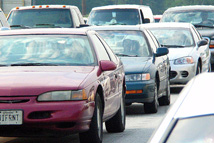
3 Second StopDriving in the city has many hazards including traffic. Heavy traffic can lead to gridlocked intersections. As frustrating and tedious as it is to have a green light and no room to move, remember that legally you cannot enter an intersection if you are not able to completely cross before the light turns red. In other words, being stopped in an intersection is a big no-no. The best thing to do in this situation is stay calm and wait your turn safely behind the crosswalk.

911

No time to read a long-winded BLOnG? Welcome to the Three-Second-Stop mini-Blog.

Today’s Three Seconds: Emergency Vehicles

3 Second StopWhen an emergency vehicle is approaching with its siren blaring and at least one red light flashing, you must pull over to the right and stop. Just remember to never stop in an intersection. If you are already in the intersection, continue through the intersection and drive to the right as soon as it is safe and stop. If the road is so full that you cannot pull to the right, then you should just stop where you are. The emergency vehicle will go around you.

New Law Alert

No time to read a long-winded BLOnG? Welcome to the Three-Second-Stop mini-Blog.

Today’s Three Seconds: Three Feet for Safety Act

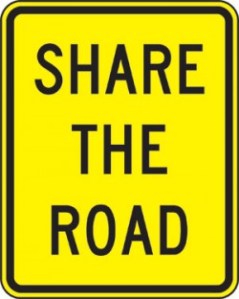
sharetheroad3 Second StopAs of September 16, 2014, the Three Feet for Safety Act (California Vehicle Code 21760) went into effect. This law concerns motorists sharing the road with bicyclists. If you are in a motor vehicle traveling the same direction as a bicyclist, you may not pass the bicyclist “at a distance of less than three feet between any part of the motor vehicle and any part of the bicycle or its operator.” If it is not safe to pass a bicyclist due to the traffic or road conditions, be sure to slow down and follow at a safe distance until you are able to safely pass them. If you fail to follow this new law, you could be fined $35; and if a collision occurs “causing bodily injury to the operator of the bicycle” you could be fined $220.

It’s That Time Again…

No time to read a long-winded BLOnG? Welcome to the Three-Second-Stop mini-Blog.

schoolbuskids_webToday’s Three Seconds: School Bus Safety
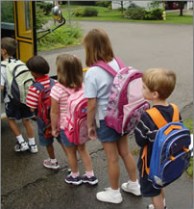
3 Second StopLaws vary by state, be sure to consult your local DMV for your state regulations. However in most states, when a school bus is stopped with red flashing lights to load or unload passengers, vehicles traveling in either direction are required to stop. They must remain stopped until the lights are no longer flashing. Generally the only exception is for traffic traveling in the opposite direction of the school bus on a road divided by a physical barrier.

Buckle-Up Back There

No time to read a long-winded BLOnG? Welcome to the Three-Second-Stop mini-Blog.

Today’s Three Seconds: Seat Belts All Around

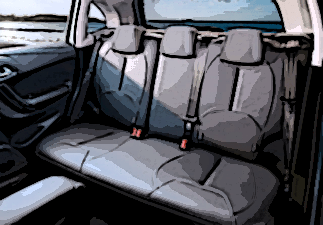
backseat23 Second StopYou may be surprised to know that riding in the back seat of a vehicle without a seat belt is dangerous. In fact any unbelted person not only endangers themselves, but greatly increases the risk of death and injury to other vehicle occupants. Currently not every state in the US has laws requiring use of backseat restraints; don’t let this stop you from strapping in next time you ride in the back.