Taking in the Big Picture
 A big part of defensive driving is scanning the road. Not just looking for hazards ahead of you, but also being aware of what is going on to the sides and behind you as well. When scanning, your eyes are continuously moving from side to side, ahead and in your rear-view mirrors. Take short quick glances to take in the big picture and be aware of and regulate potentially hazardous situations before you find yourself in a predicament.
First off, you should make sure to properly adjust your seat and mirrors before you start driving. You want to make sure you have as wide a field of vision as possible to the back of your vehicle when looking into the rear-view and side-mirrors.
Second, remember these three instances where checking traffic behind you is of great importance.
- Backing: When backing it is best to back up as little as necessary as you are more likely to hit something because your visibility is limited. Before you back up check your mirrors and look over your shoulder as you reverse. Keep your speed as slow and safe as possible.
- Changing lanes: Before you begin your lane change, always look over your shoulder after checking your mirrors to confirm that there are no vehicles hiding in your blind spot. This is also good to remember as part of moving over to curbside park or preparing to make a right turn.
- Slowing down quickly: Stopping suddenly can put you at high risk of being rear ended by another motorist. Make sure to check your rear-view mirror when forced to brake harder than usual. This is a good reason to have a safe space cushion between you and the vehicle in front of you.
Get in the habit of utilizing your rear and side view mirrors more consistently. The greater your ability to comprehend what is going on around your car, the safer it will be for you to drive.
 Driver impairment is not only caused by drugs and alcohol. Our driving is impaired anytime our ability to operate a vehicle is compromised. Because emotions can govern our behavior to a large extent, they too can diminish our driving capabilities. Emotional impairment can affect our ability to recognize risks and quickly react.

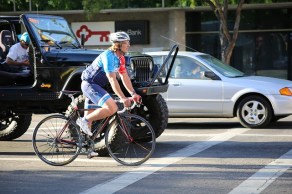 May kicks off both Motorcycle Safety Awareness Month & Bicycle Safety Month. With only two wheels, motorcycles and bicycles are less stable and require the rider to have great handling ability. They are much smaller and harder to see than other vehicles on the road. Consequently, motorcycles and bicycles are more easily hidden or missed by other drivers. Also, they don’t have the same protection as an automobile driver, making any type of collision or wipeout serious or fatal.
 Furthermore, they are subject to the majority of laws that all other drivers are required to follow. As a driver, don’t forget to always check your blind spots every time you change lanes or prepare to make turn. Remember to consider a bicycle lane the same as other traffic lanes. Also, do not try to pass a bicyclist until it is safe to do so allowing ample room between your vehicle and the rider.
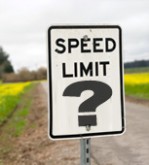 Driving is fast paced. There is a lot going on around your vehicle that needs to be taken into account. That’s why speed limits are important. They tell us a safe speed to travel at in a given area. However, sometimes even the posted speed limit is not safe. This is where the Basic Speed Law comes into effect. The Basic Speed Law tells us to not drive faster than is reasonable and prudent under the current conditions. That means you need to take into account everything going on in your driving environment and decide what the safest speed is. Otherwise, you could find yourself with a ticket.
 Today marks the close of 2015 National Work Zone Awareness Week which advised drivers to “Expect the Unexpected”. Road worker safety is always good to have in the forefront of your mind, especially in the coming summer months as road construction will undoubtedly increase. The main thing to remember when you see orange (signs, cones, and vests) along the road is slow down and drive more cautiously. Keep your focus on navigating through the changing lanes, speeds and road conditions. The smallest distraction could be disastrous. Obey the posted construction signs and workers giving you instructions. And if safety for all is not a good enough motivator, remember almost all states have larger fines for speeding and other traffic infractions in a construction zone.
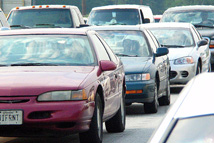
 Part of making a legal and safe turn is ending the turn in the correct lane.
 Right Side of the Road