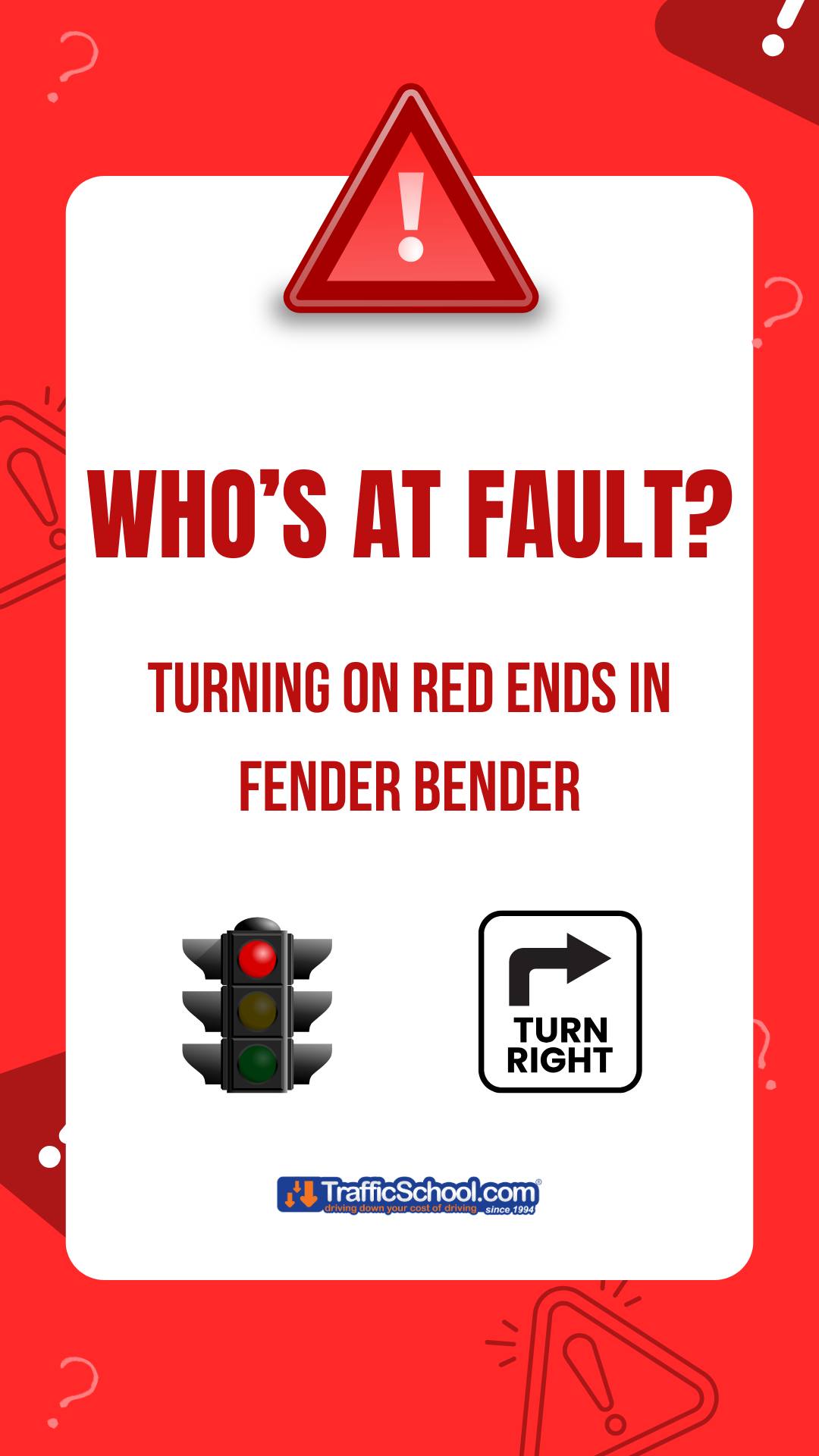
Red Light, Right Turn, Fender Bender!

You make a right turn on red and collide with an oncoming car—or someone in the crosswalk. What went wrong?

While turning right on red is often legal, it must be done only when it’s safe and clear. Failing to yield to oncoming traffic, pedestrians, or cyclists can lead to a citation and accident.

✔️ “Right on red” is a permission, not a guarantee
✔️ Check for cross-traffic and pedestrians
✔️ Drive responsibly to protect yourself and others

This post is for general awareness only and does not determine fault in any specific case.

🚗🙌Think someone you know could use this reminder? Share it with them.
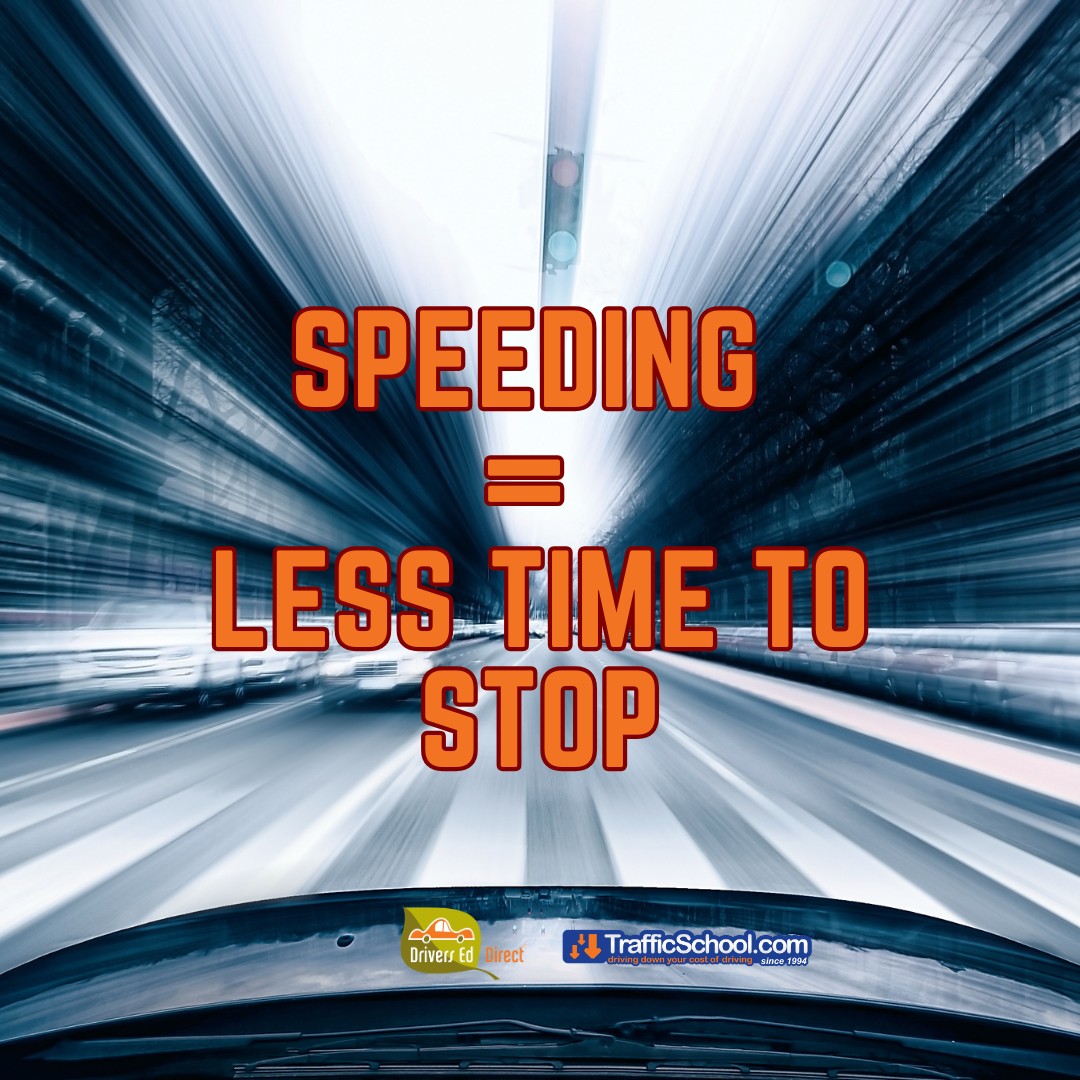
Know the Dangers of Speeding

Today’s Three Seconds: The Impact on Stopping Distance

Speeding can dangerously increase the time it takes to stop your vehicle, putting you and others at risk. Even just a slight increase in speed can make all the difference in stopping distance, especially in residential or construction zones.

Here’s why:

  • Faster speeds = longer stopping distance
  • A greater impact in an emergency stop
  • Increased risk for collisions

Always drive at the speed limit and adjust your speed for road conditions, especially in areas with higher risks like neighborhoods and construction zones. Your safety is in your hands—drive responsibly!

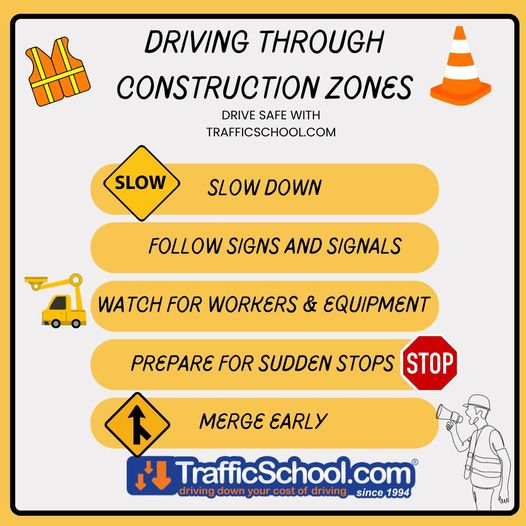
Driving Through Construction Zones: Safety First!

Navigating construction zones can be challenging, but with the following tips, you can ensure a safe journey:

Slow Down 

As you approach and drive through construction areas, make sure to reduce your speed. Begin slowing down as soon as you see warning signs, even if the construction isn’t visible yet.

Follow Signs and Signals 

Pay close attention to posted signs, flaggers, and electronic message boards. It’s important to obey instructions from construction workers and flaggers—they’re there to keep everyone safe.

Watch for Workers and Equipment 

Be vigilant for workers and construction vehicles that might enter your lane. Keeping your eyes on the road and avoiding distractions is key to staying safe.

Be Prepared for Sudden Stops 

Stay alert for traffic that may slow down or stop unexpectedly. Maintaining a safe following distance allows you to react in time to sudden stops.

Merge Early 

If you see a lane closure ahead, merge as soon as possible. Early merging helps prevent last-minute lane changes, which can lead to collisions. 

By following these guidelines, you’ll contribute to a safer driving environment for everyone in and around construction zones. Stay safe out there!

Driving in the Rain

Driving in the rain can be difficult for almost every driver. In fact, the FHWA (Federal Highway Administration) states that “the vast majority of most weather-related crashes happen on wet pavement and during rainfall.”

Some things you can do to avoid a potential weather-related crash are:

  1. Slow down and give yourself space between other vehicles.
  2. Use your low beam headlights to help you to see better and to make yourself more visible to other drivers.
  3. Ensure that your windshield wipers are in good condition. This is very important as visibility is already bad with rain.
  4. Tire health is also very important. Bad tires can lead to your car sliding and potentially skidding. Check your tread depth and tire pressure regularly.

If you still don’t feel safe about driving in the rain, then postpone your outing if possible.

See You Later Tailgater

No time to read a long-winded BLOnG? Welcome to the Three-Second-Stop mini-Blog.

Today’s Three Seconds: Dealing with Tailgaters

3 Second Stop

Summer break will soon be coming to an end and children will be returning to school. As school hours return so does the morning traffic. You might notice more tailgating occurring as people rush to get their kids to school and try to make it to work on time. Tailgating is not only dangerous but also illegal, not to mention that it is also a form of reckless driving. If you notice that you are being tailgated, make sure to remain calm and allow more space in front of you. This can help give you more time to slow down if there is a problem up ahead, lowering the chances of being rear-ended. If you are able to move over to the next lane do so. Drivers who tailgate are impatient and the best way to avoid the situation getting worse is to just let them go ahead. Tailgating can be deadly if it leads to an accident. Losing a few minutes of your life is better than losing your life in a few minutes!

Summertime Dangers

With summer just a few months away we have a few tips to make your summer a safe one.

Summer brings sunnier days and sunnier days make for harsh sun glare. Sun glare can be extremely dangerous while driving. The NHTSA or the National Highway Traffic Safety Administration states that sun glare is the cause of approximately 9,000 accidents per year. Make sure to have a pair of sunglasses to shield your eyes, but be sure to avoid frames with wide side pieces that reduce your ability to see to the side!

With summer also comes heat and we tend to change our choice of footwear to something lighter. While flip-flops are great for the pool or for walking along the beach, they can be a hazard while driving since they can get stuck underneath the brake or the accelerator. Experts even claim that flip-flops can actually double the time that it takes for a driver to brake. Flip-flop accidents are not that rare. In 2013, a study was conducted and it turned out that 7% of drivers who were polled had actually crashed or nearly caused a crash because of the flimsy sandals!

Have a safe summer and another quick summer reminder: Never leave children or animals in the car unattended. The temperatures in a vehicle can reach dangerously high temperatures in just minutes.

Windy Weather Conditions

With Spring just around the corner it’s important to know what comes along with it. Spring is known for being the season of new beginnings, but did you know it is also the windiest season?

During the months of March and April wind speeds tend to be about 3 to 5 times stronger than other months. With strong winds come High Wind advisories. But what does that have to do with driving? Well, high wind is on the list of top car accident causes because high wind advisories are usually overlooked by drivers. When driving in high winds there are a few precautions you should be taking.

During high winds be sure to slow down, maintain a firm grip on the steering wheel, and keep a safe distance from larger vehicles such as busses, trucks, and RVs.  Larger vehicles are more affected by high winds and usually have difficulty staying in their own lane. And as always, make sure to be alert and aware of your surroundings.

Stay safe and have a wonderful Spring!

*This traffic safety topic is covered in our 8-hour California Traffic School course for traffic tickets. If you need traffic school to keep a moving violation hidden on your driving record, sign up today at https://www.trafficschool.com/california/california-traffic-school/?source=blog_02162022