St. Patrick’s Day 2018
 St. Patrick’s Day for many means drinking lots of green beer. In fact, March 17th is ranked the 4th most popular drinking day behind New Year’s Eve, Christmas, and the 4th of July, according to WalletHub. So, while you are preparing for a fun night out, take a look at these sobering statistics from the National Highway Traffic Safety Administration, and as always, please remember that drinking and driving don’t mix.
- St. Patrick’s Day is one of the deadliest holidays on our nation’s roads. During the 2012-2016 St. Patrick’s Day holiday period (6 p.m. March 16 to 5:59 a.m. March 18), 269 lives were lost due in drunk-driving crashes.
- In 2016 alone, 60 people (39% of all crash fatalities) were killed in drunk-driving crashes over the St. Patrick’s Day holiday period.
- Between midnight and 5:59 a.m. March 18, 2016, almost three-fourths (69%) of crash fatalities involved a drunk driver.
- Walking home from the bar after a night out partying? That can also be dangerous. In 2016, 36% of the pedestrians killed in crashes had blood alcohol concentrations (BAC) of .08 or higher.
Please make arrangements in advance to get home safely. Have a designated driver in your group, plan to use public transportation, or utilize Uber or Lyft. Bottom line, be sure you have a sober ride lined up before you take your first sip.



 Sometimes we take driving for granted. With each uneventful drive we make, we begin to let our guard down. We start picking up bad habits like zoning out and staring at the bumper of the car in front of us. The problem with this is driving is always potentially dangerous and a routine drive can change in the blink of an eye.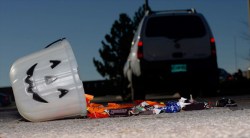
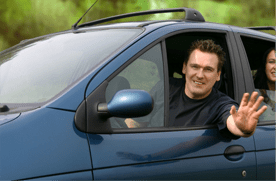 Communication with other drivers on the road is very important. Using standard equipment on your car, like turn signals, brake lights, hazard lights, headlights, and your horn, are all simple yet effective ways of telling everyone else what you intend to do next. Communication on the road can also be characterized by conveying your intentions to others through eye contact, body language, and hand signals, while simultaneously picking up on cues from other drivers and pedestrians.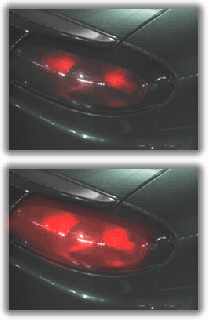
 Your mental and emotional state can significantly affect your actions while driving. If you bring a bad attitude into the car with you, it will cloud your driving decisions. Stress and emotions can hijack your mind and you may find yourself unaware of your driving environment or over-reacting to another driver’s bad driving behavior.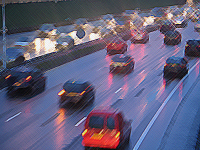
 Right Side of the Road