Stay Safe Behind the Wheel

No time to read a long-winded BLOnG? Welcome to the Three-Second-Stop mini-Blog.

Today’s Three Seconds: The Power of Defensive Driving
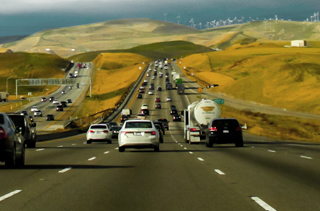
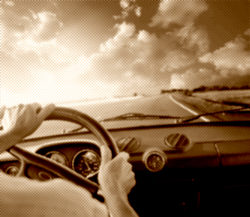
Hey there, road warriors! Let’s talk about something vital: defensive driving. It’s more than just getting from A to B–it’s about doing so safely.  Defensive driving is your secret weapon to navigate the roads with confidence. It’s all about being proactive–anticipating potential dangers and staying one step ahead. Keep your eyes scanning the road, follow those traffic laws like a boss, and maintain a safe distance from other vehicles. With defensive driving in your arsenal, you’ll be cruising towards your destination with peace of mind. Stay safe out there!
Sirens and Lights: Ensuring Safe Passage

No time to read a long-winded BLOnG? Welcome to the Three-Second-Stop mini-Blog.

Today’s Three Seconds: Yielding for Emergency Vehicles

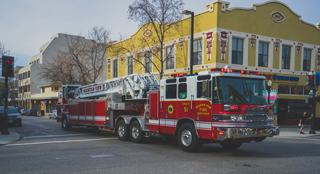
When the piercing sirens wail and the emergency lights paint the road in vibrant colors, it becomes paramount to swiftly react on the road, allowing these lifesaving vehicles to pass safely. Pulling over to the right side of the road and coming to a complete stop isn’t just a matter of obeying the law; it’s a moral responsibility that safeguards the well-being of everyone nearby. By yielding the right of way, you play a vital role in assisting these dedicated emergency responders in reaching their destination as quickly and safely as possible, particularly in critical, life-or-death situations. Always bear in mind that it’s more than just a rule; it’s a way to protect lives and ensure the safety of all road users.

Warning Lights

No time to read a long-winded BLOnG? Welcome to the Three-Second-Stop mini-Blog.

Today’s Three Seconds: Low Tire Pressure

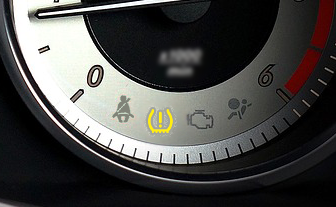
Have you ever started your car and immediately received a low tire pressure notification? If so, here’s what you should do. First and foremost, it’s crucial not to drive on significantly underinflated tires. Stay parked and inspect your tires for any signs of punctures or holes. It’s not uncommon for tires to be punctured by shards of glass, nails, or other debris while driving. If you don’t notice any punctures, the issue could be related to the weather. Cold temperatures can cause a decrease in tire pressure. Alternatively, it may be time to replace your tires if they are old and worn. However, in many cases, the most common and simple solution is to refill your tires. Make it a habit to regularly check your tire pressure, ideally every two to four weeks, as part of your routine maintenance.

Handling Dangerous Situations

No time to read a long-winded BLOnG? Welcome to the Three-Second-Stop mini-Blog.

Today’s Three Seconds: Driving Off of the Pavement

3 Second StopIf you ever find yourself in a situation where your wheels go off the pavement onto a soft shoulder, remain calm and follow these simple steps:

  • Hold the steering wheel firmly
  • Take your foot off the gas pedal
  • Gently apply your brakes
  • Check for traffic coming behind you
  • When the coast is clear, soothingly steer yourself back onto the road

Avoid slamming on the brakes and swerving back to your lane right away. There is a good chance that you will lose control of your car and end up hitting something or someone on the opposite side of the road.

Know Where to Turn

No time to read a long-winded BLOnG? Welcome to the Three-Second-Stop mini-Blog.

Today’s Three Seconds: Turn Lane Selection

3 Second StopPart of making a legal and safe turn is ending the turn in the correct lane.
If you are making a right turn, start the turn in the right-most lane and stay in the right lane until you have finished your turn.

If you are making a left turn, start the turn in the left-most lane. You may turn into any available lane if it is safe to do so, but note, if vehicles are also turning right onto the same road, they have the right-of-way into their corresponding lanes.

Intersection Etiquette

No time to read a long-winded BLOnG? Welcome to the Three-Second-Stop mini-Blog.

Today’s Three Seconds: Gridlock

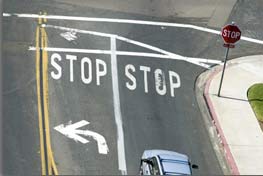
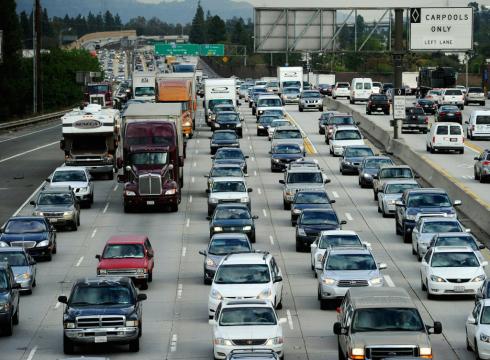
3 Second StopDriving in the city has many hazards including traffic. Heavy traffic can lead to gridlocked intersections. As frustrating and tedious as it is to have a green light and no room to move, remember that legally you cannot enter an intersection if you are not able to completely cross before the light turns red. In other words, being stopped in an intersection is a big no-no. The best thing to do in this situation is stay calm and wait your turn safely behind the crosswalk.

911

No time to read a long-winded BLOnG? Welcome to the Three-Second-Stop mini-Blog.

Today’s Three Seconds: Emergency Vehicles

3 Second StopWhen an emergency vehicle is approaching with its siren blaring and at least one red light flashing, you must pull over to the right and stop. Just remember to never stop in an intersection. If you are already in the intersection, continue through the intersection and drive to the right as soon as it is safe and stop. If the road is so full that you cannot pull to the right, then you should just stop where you are. The emergency vehicle will go around you.

Too Close for Comfort

No time to read a long-winded BLOnG? Welcome to the Three-Second-Stop mini-Blog.

Today’s Three Seconds: Tailgating

3 Second StopTailgating is the #1 cause of rear-end collisions. Also, following too closely is the #1 cause of collisions on the freeway. That’s why it is essential to leave plenty of space between you and the car ahead of you. Riding someone’s bumper is not only rude, it is also dangerous. There is no good reason to ever engage in tailgating so just don’t do it!

Give Big Rigs Their Due

Share the Road

share the roadSemitrailers operate a little differently than your car, so let’s take a moment for a few friendly reminders on sharing the road with large trucks.
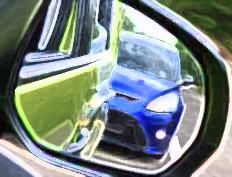
Give them extra space in several ways. Don’t cut in front of a large truck. They are heavier and take longer to stop than the average car. You should see the front of the truck in your rearview mirror before moving into the lane. Also, when following a trailer truck the truck’s size can block your view; increase your following distance so that you have more reaction time and room to brake.

Stay out of the truck’s blind spots. Large trucks have large blind spots on all sides. If you can’t see the driver in truck’s side mirror, then the truck driver can’t see you. If you are going to pass a semi, do so quickly and on the left side. Lingering in a truck’s blind spot is dangerous.

Pay close attention to a trucks turn signals. Be aware that rigs need extra room to maneuver turns. They tend to swing wide to execute right turns. Don’t squeeze between the curb and the truck; you could end up getting crunched.

Keep these tips in mind next time you are on the road and remember in a collision with a big rig you’ll find you are the loser.

Go Speed Racer… No!

Risky Business

In 2012 roughly 92 people died in motor vehicle crashes each day according to the National Highway Traffic Safety Administration. 30% of these deaths involved speed-related traffic crashes.

Speeding is generally viewed as dangerous driving behavior, but this doesn’t seem to keep 75% of drivers from speeding regularly. The most common forms of speeding are driving too fast for the conditions, driving above the posted speed limit and racing. For every 10 mph over 50 mph that a vehicle travels, the chance of death or serious injury doubles.Speeding Tickets

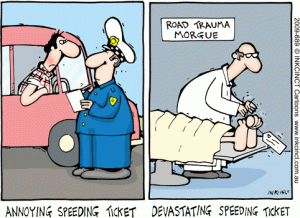
Most of the time, we are speeding to save time. The truth is we don’t save as much time as we would like to think. If you were traveling at 65 mph over 20 miles instead of 55 mph you would save only about three and a half minutes! And if speeding doesn’t lead to a collision, you may still end up with ticket which is a whole other set of problems to deal with.

So, next time you’re tempted to put the pedal to the medal, ask yourself… “Is it worth it?”