Scanning the Road
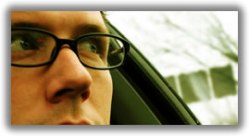 Sometimes we take driving for granted. With each uneventful drive we make, we begin to let our guard down. We start picking up bad habits like zoning out and staring at the bumper of the car in front of us. The problem with this is driving is always potentially dangerous and a routine drive can change in the blink of an eye.
A big part to driving defensively is using your eyes. A defensive driver actively scans the road ahead, checks to the left and right and glances in their mirrors regularly. Continuous eye movement will increase your awareness and give you more time to react in a hazardous situation. In addition to watching around your car, it is also good to look farther down the road. By spotting problems early, you will have time to make necessary adjustments in advance to avoid them.
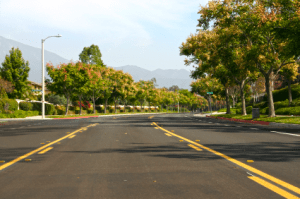 To turn left from this lane, signal, look over your shoulder, and drive completely into the center lane (do not leave any part of your vehicle blocking the traffic lane). Also, watch for vehicles coming toward you in the same lane, preparing to start their left turn. Wait in the center lane until a gap in the traffic allows you to complete the left turn safely. If you are making a left turn onto a busy street, you may enter this lane to complete your turn before merging into traffic.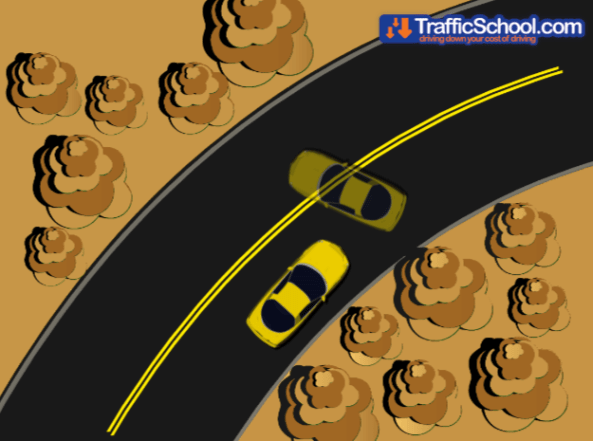

 A big part of defensive driving is scanning the road. Not just looking for hazards ahead of you, but also being aware of what is going on to the sides and behind you as well. When scanning, your eyes are continuously moving from side to side, ahead and in your rear-view mirrors. Take short quick glances to take in the big picture and be aware of and regulate potentially hazardous situations before you find yourself in a predicament.
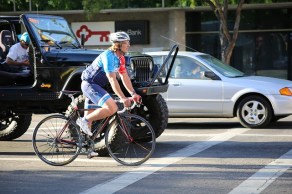 May kicks off both Motorcycle Safety Awareness Month & Bicycle Safety Month. With only two wheels, motorcycles and bicycles are less stable and require the rider to have great handling ability. They are much smaller and harder to see than other vehicles on the road. Consequently, motorcycles and bicycles are more easily hidden or missed by other drivers. Also, they don’t have the same protection as an automobile driver, making any type of collision or wipeout serious or fatal.
 Furthermore, they are subject to the majority of laws that all other drivers are required to follow. As a driver, don’t forget to always check your blind spots every time you change lanes or prepare to make turn. Remember to consider a bicycle lane the same as other traffic lanes. Also, do not try to pass a bicyclist until it is safe to do so allowing ample room between your vehicle and the rider.
 It’s a brand new year and that means New Year’s Resolutions. Here are five driving decisions you can take to heart in the year ahead.



 Right Side of the Road